Auto parts

Automotive plastic components

Tooling decisions aligned with part function, validation and launch timing

Procurement priorities

Automotive sourcing teams need early visibility into manufacturability, tooling risk, sample timing, change control and the information required for approval. Unclear datums, unconfirmed resin, changing interfaces or late cosmetic criteria can create avoidable quotation gaps and tool corrections.

Typical parts

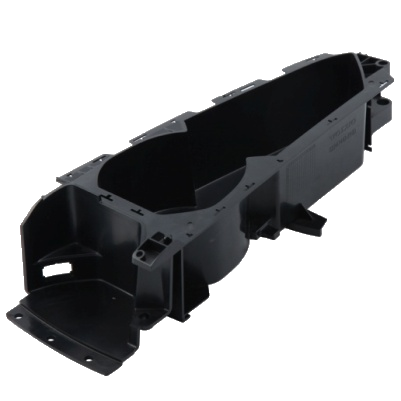
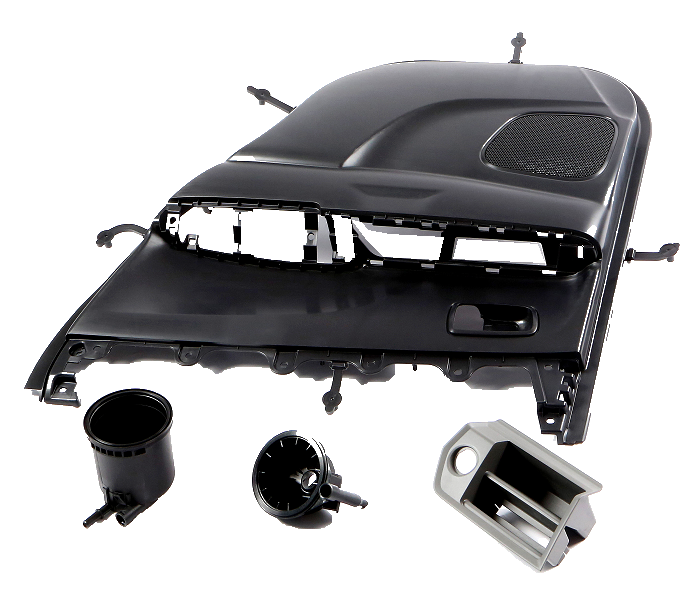
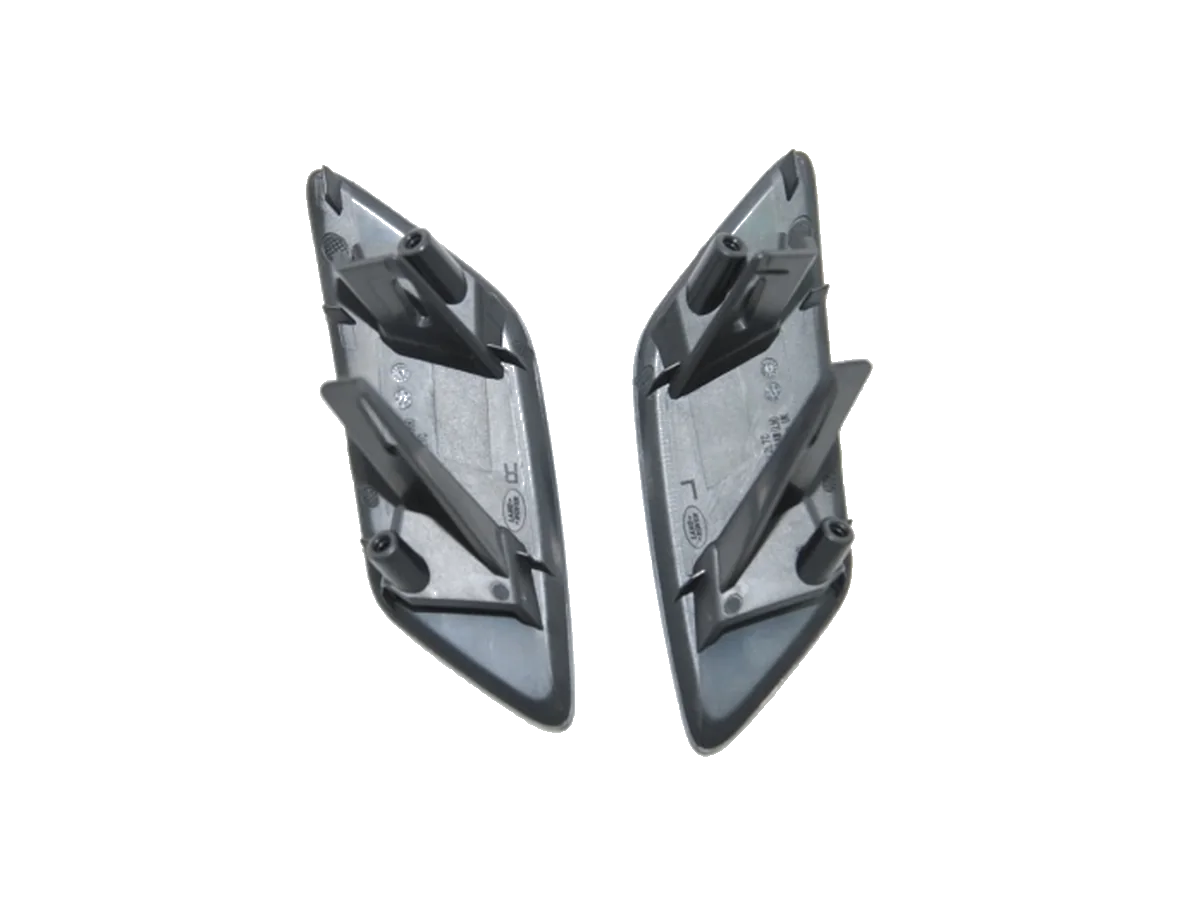
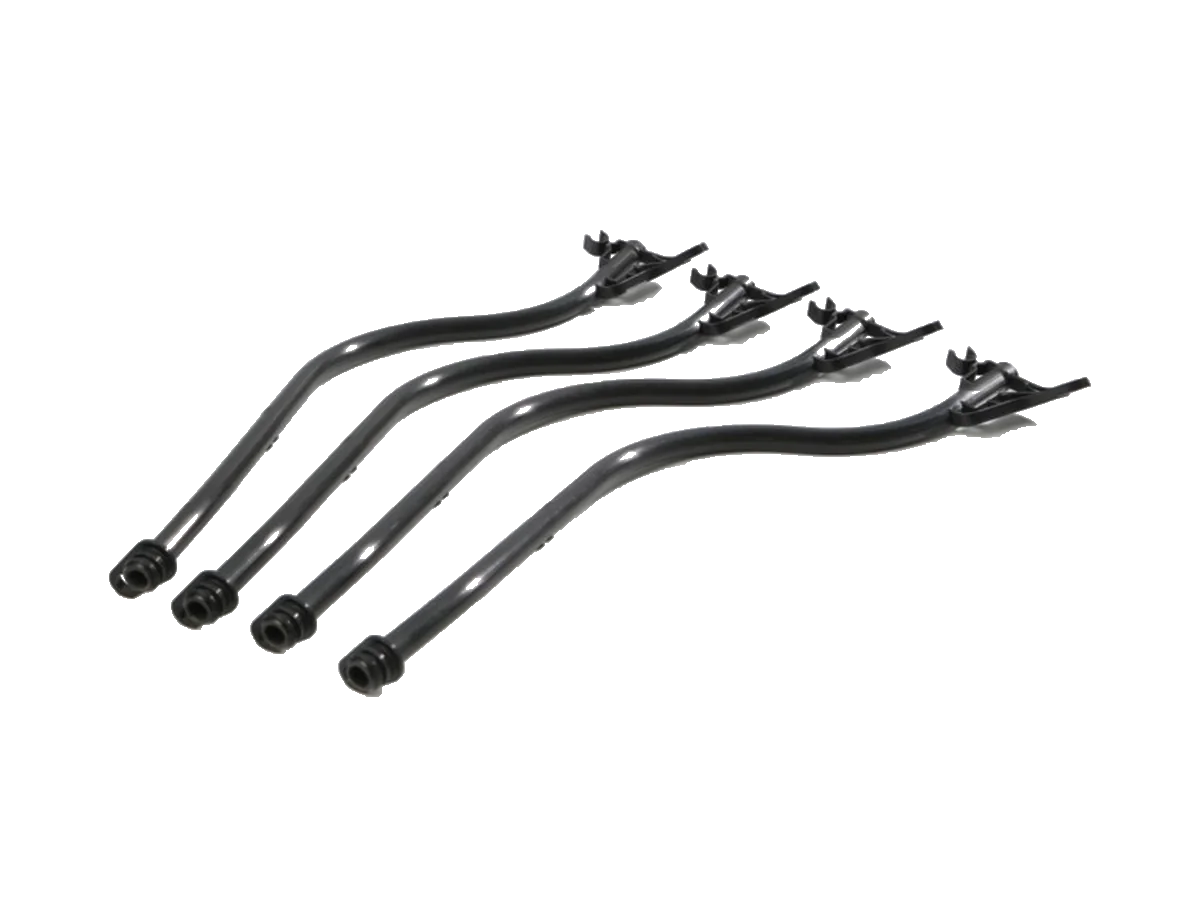
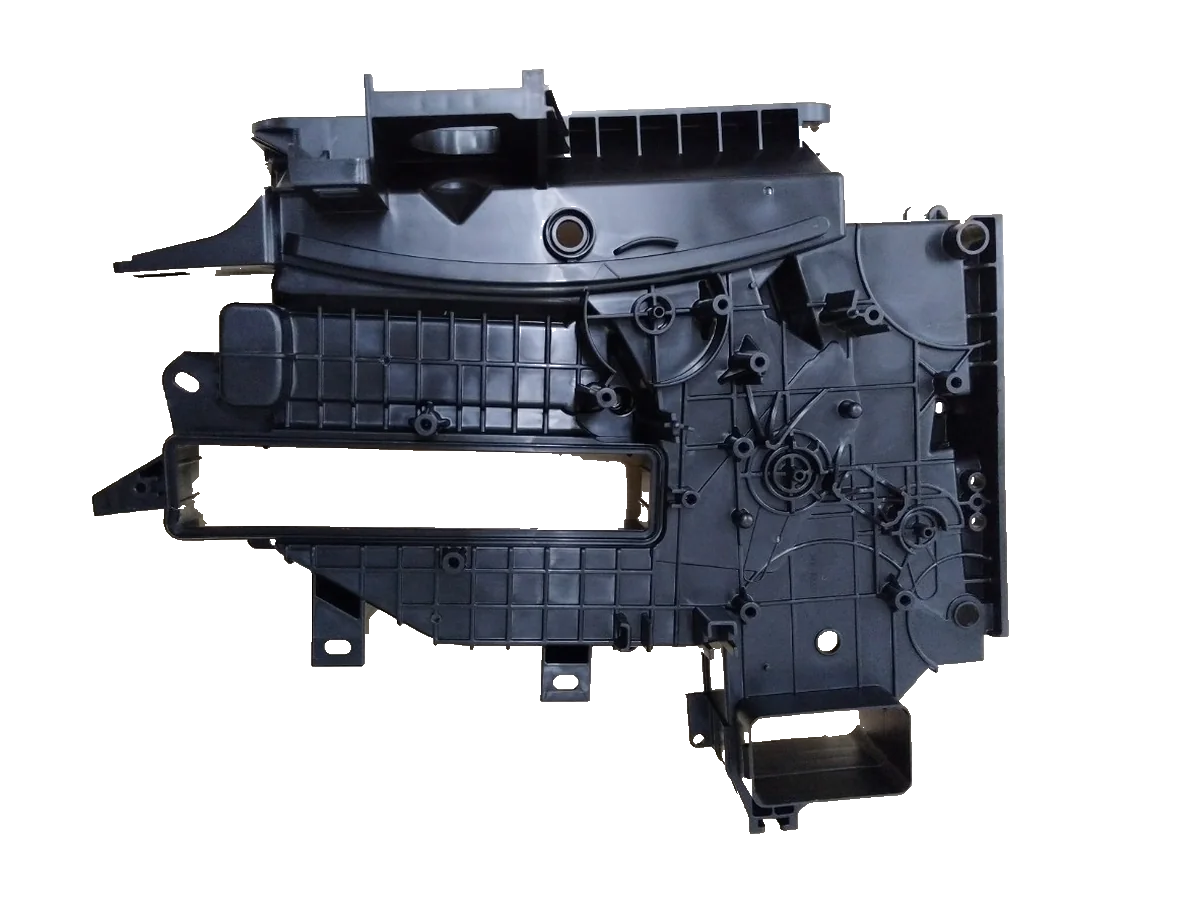
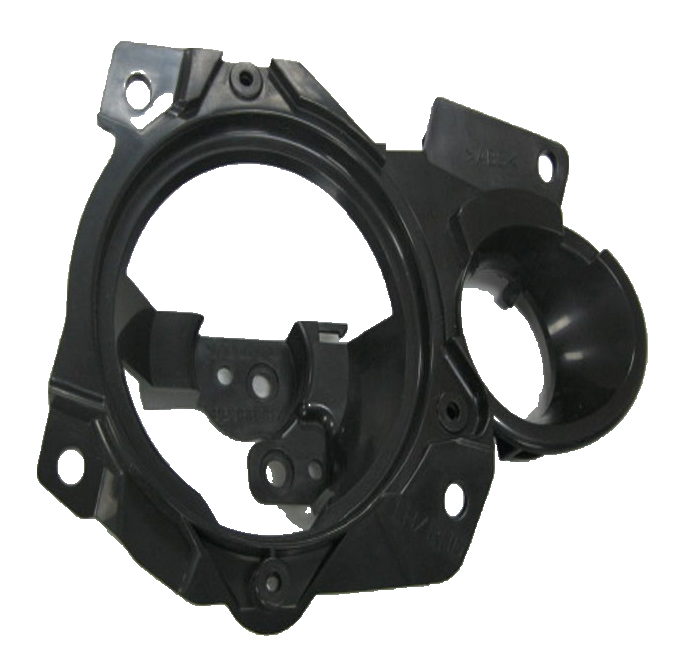
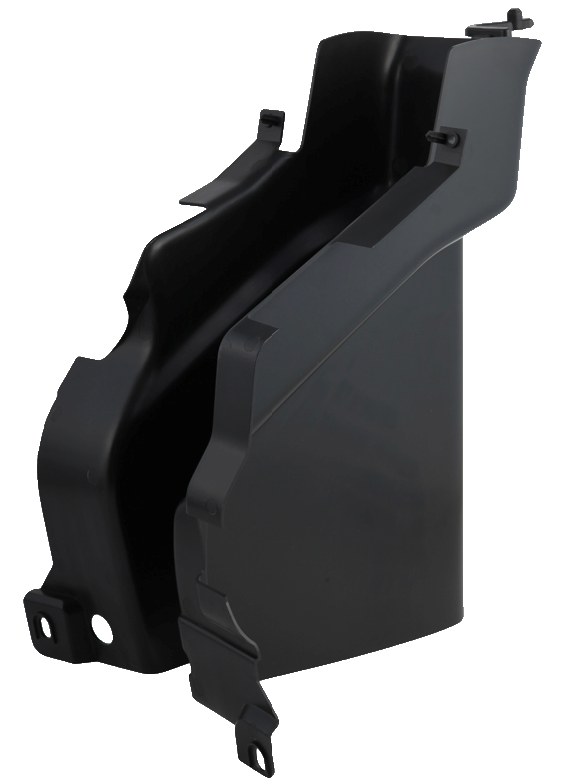
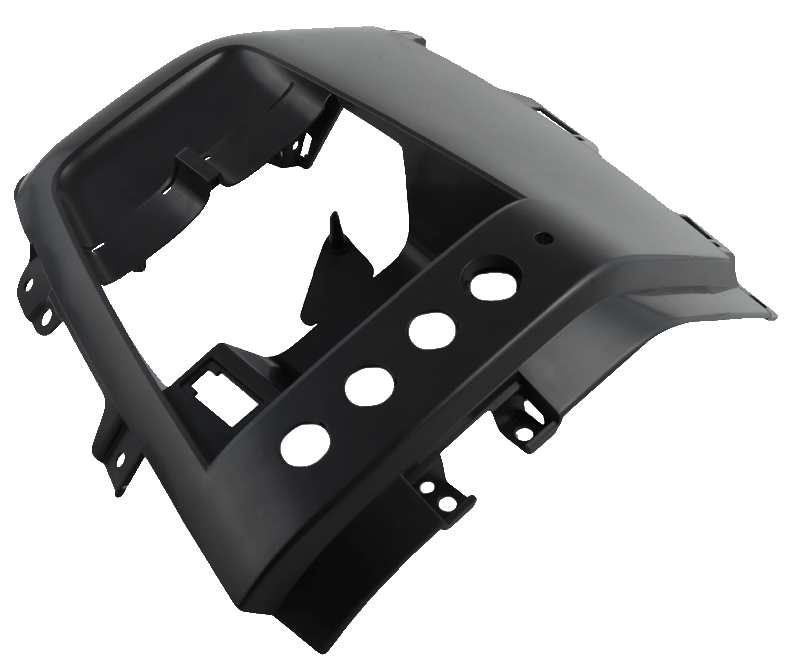
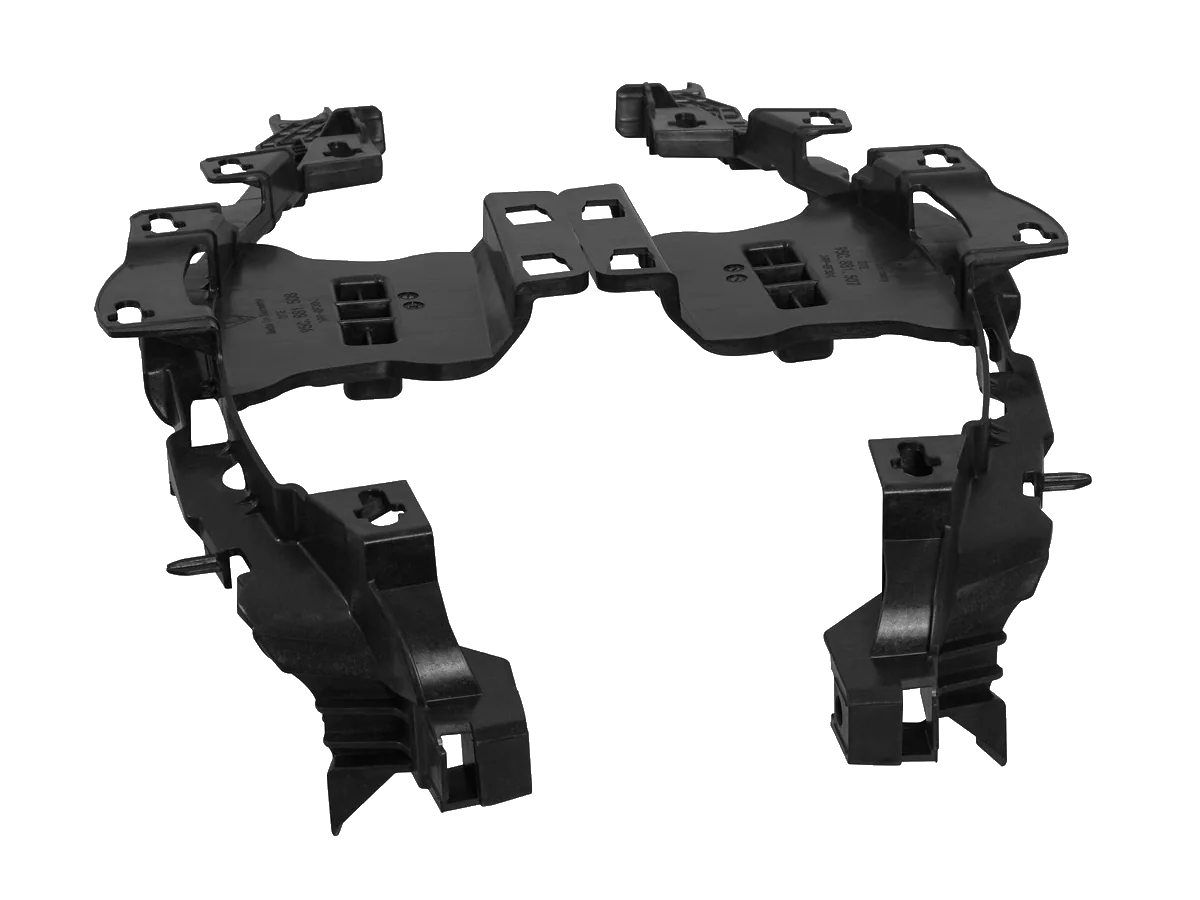
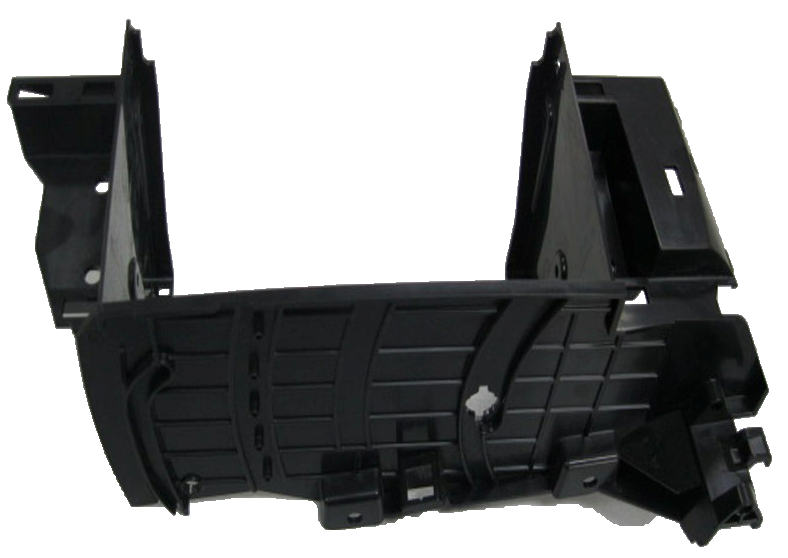
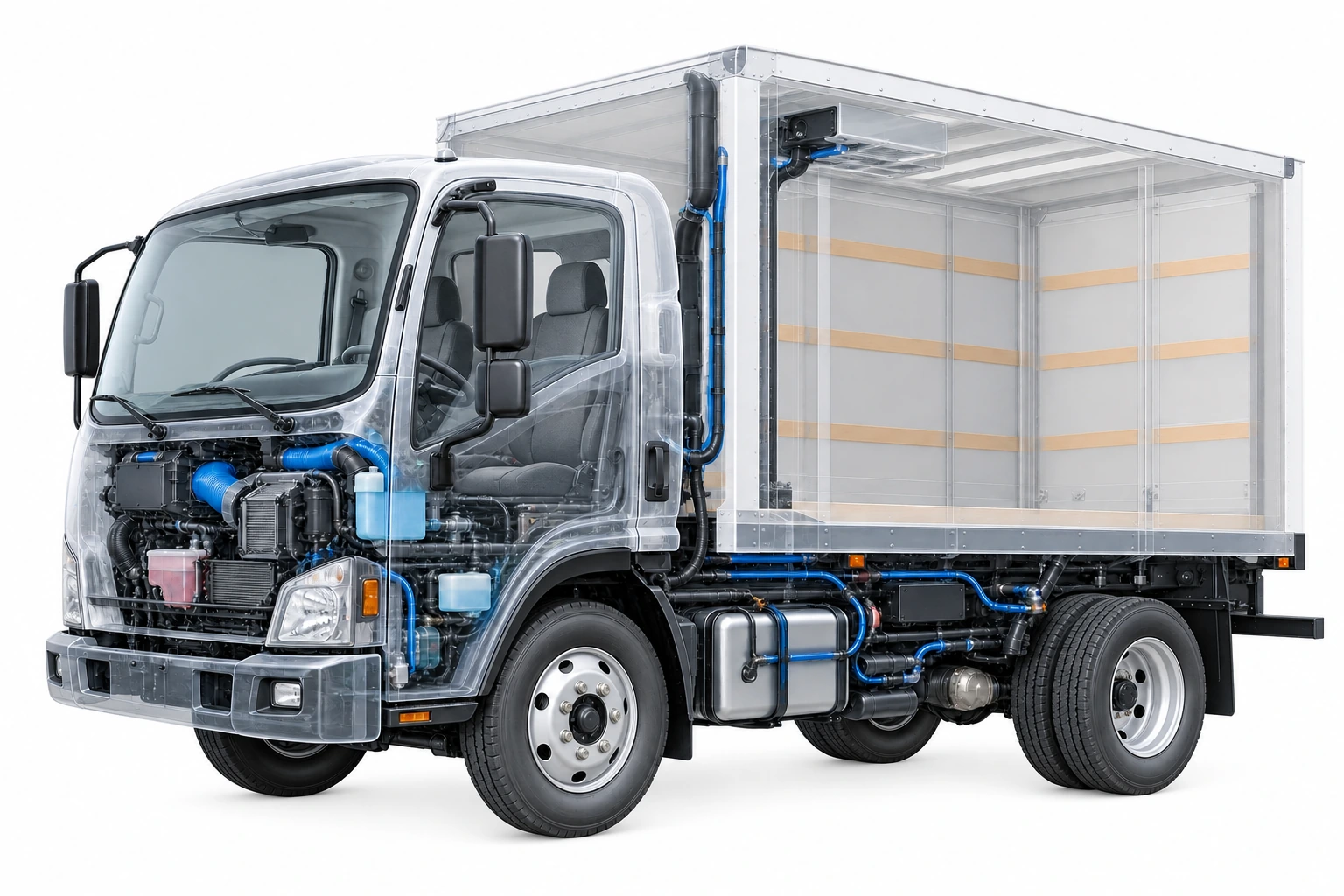
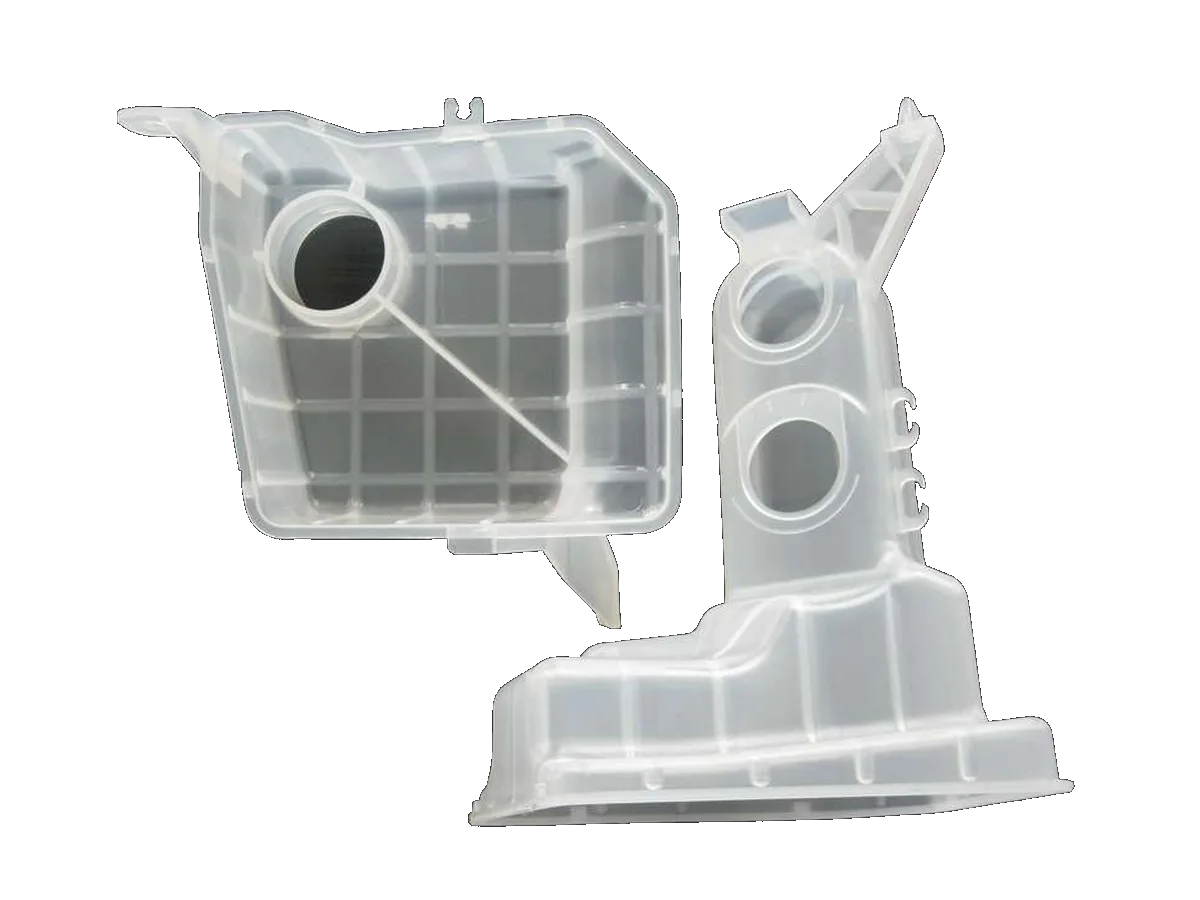
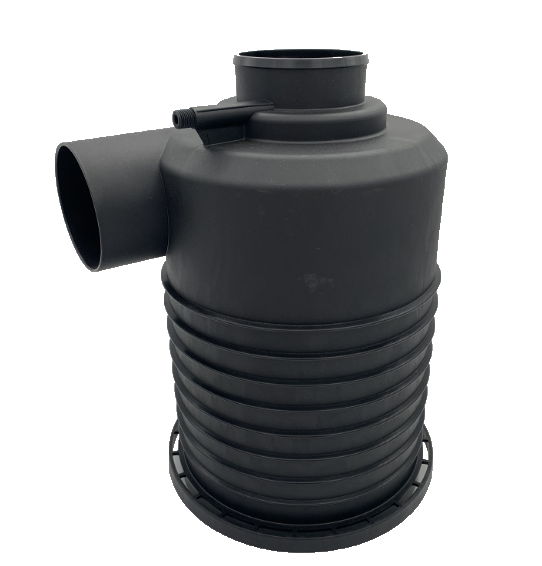
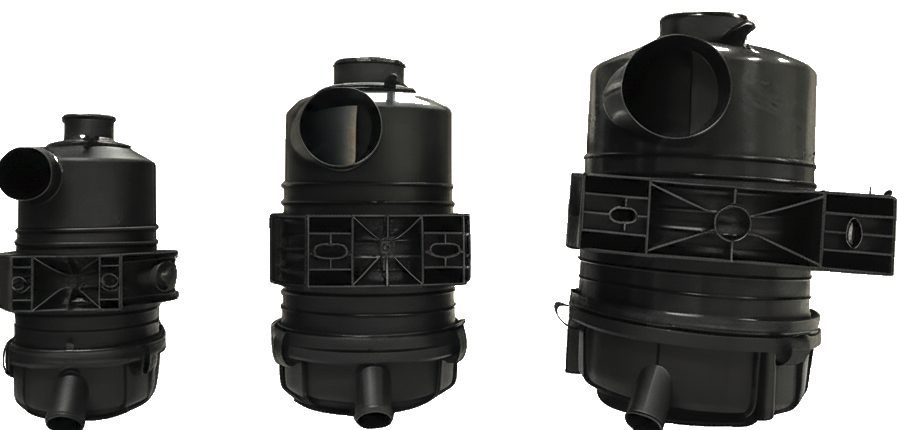
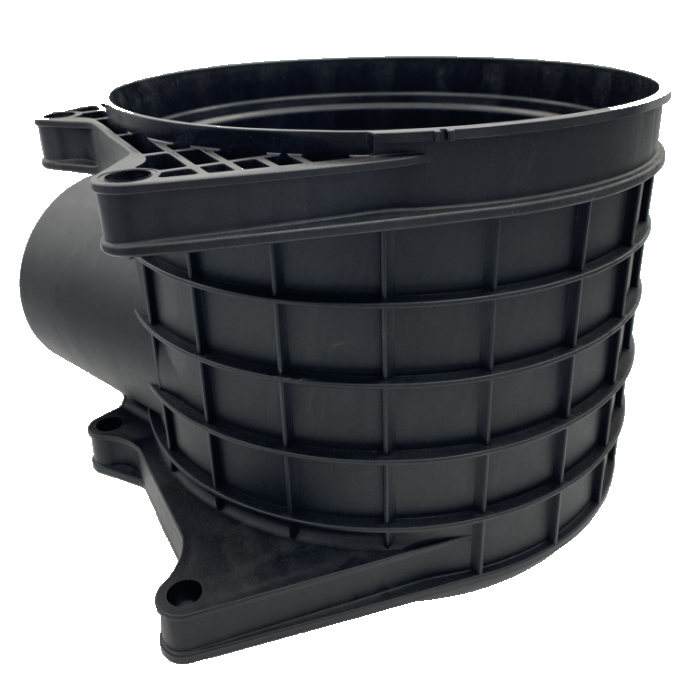
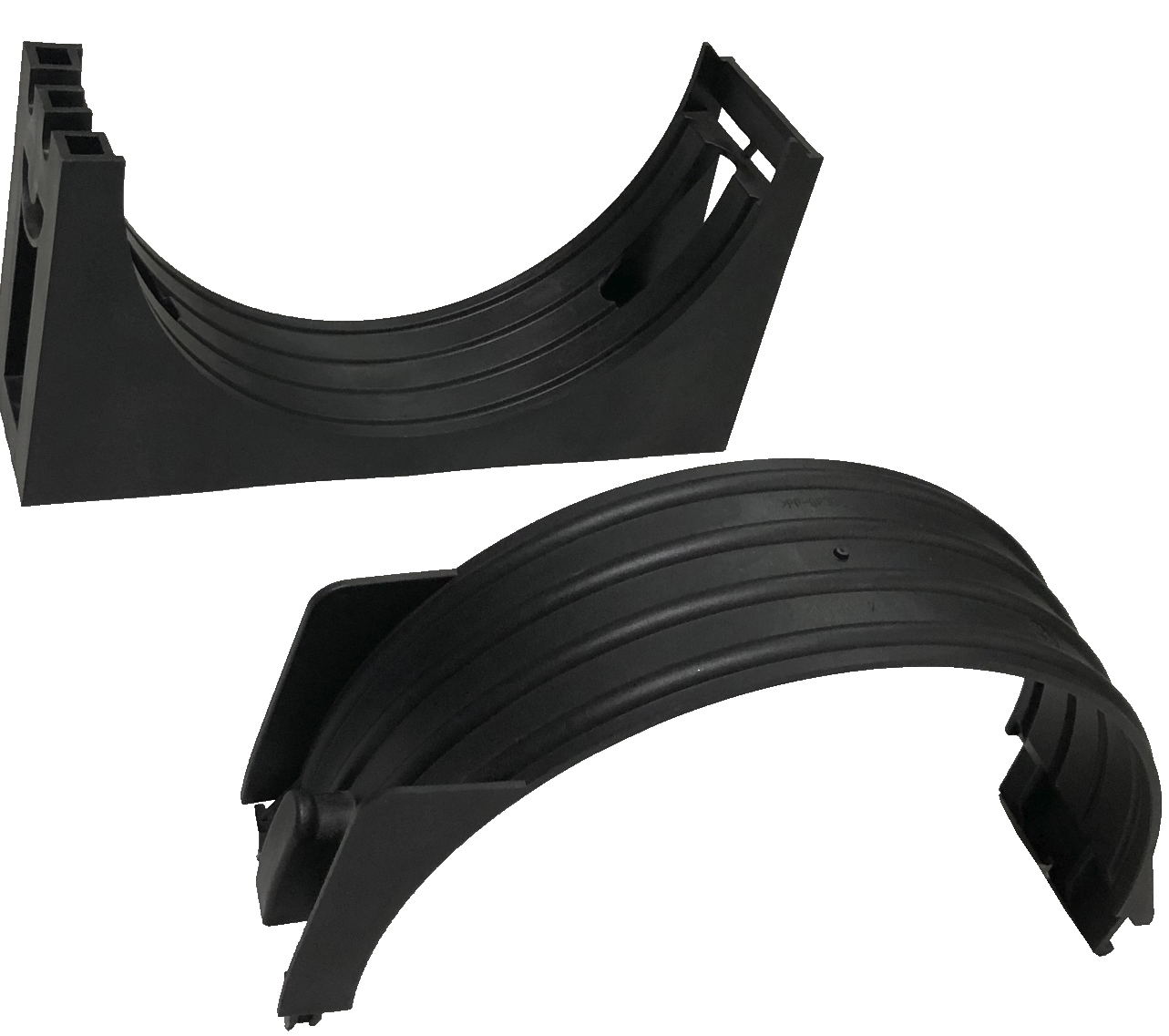
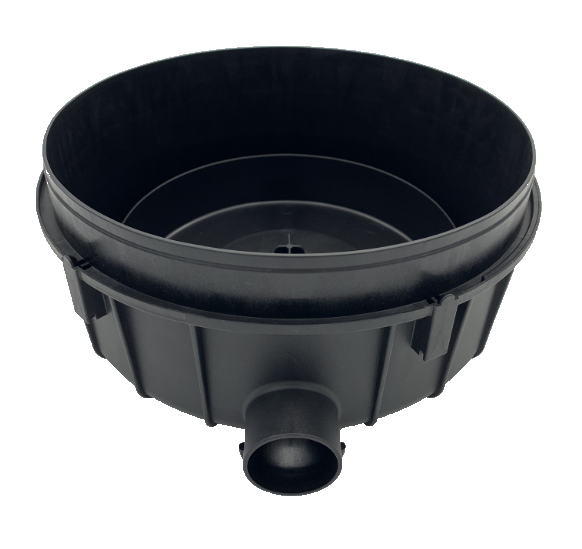
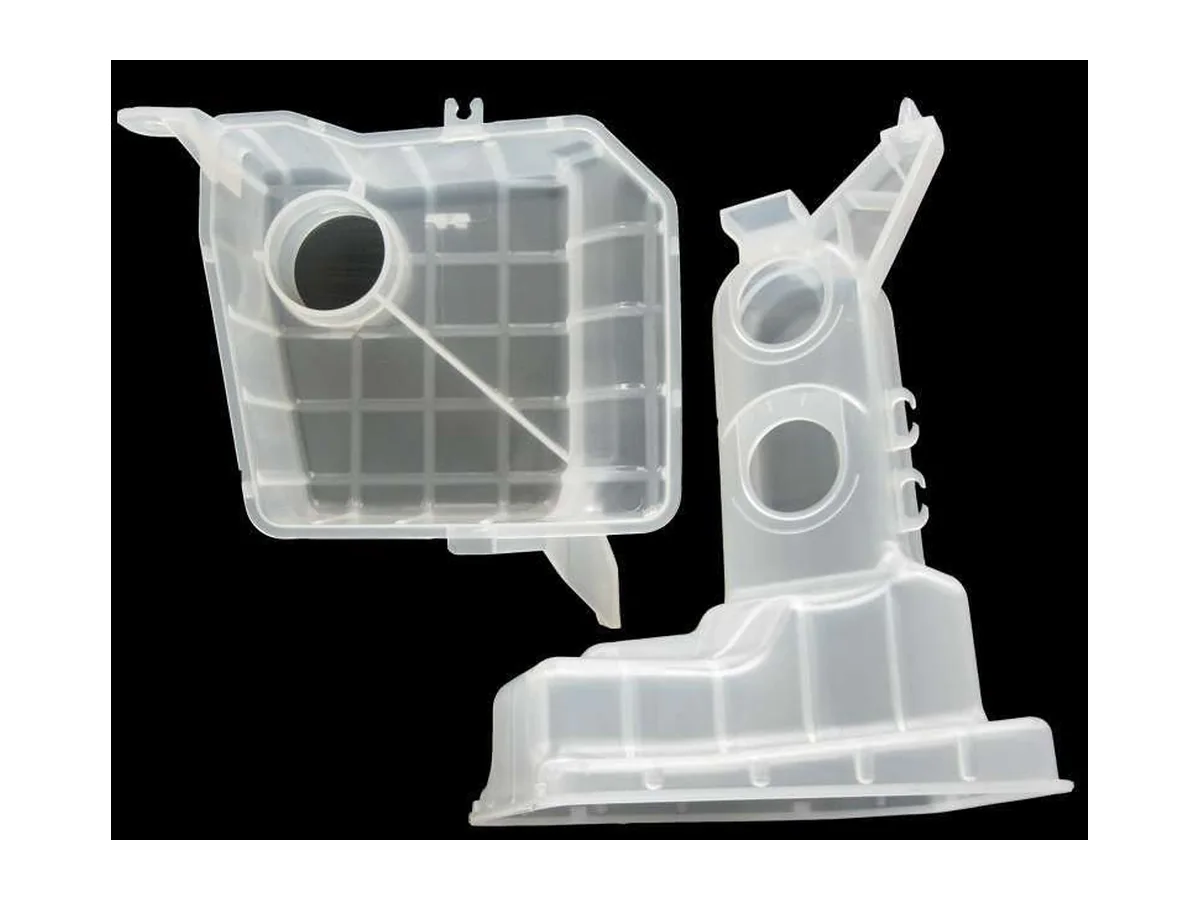
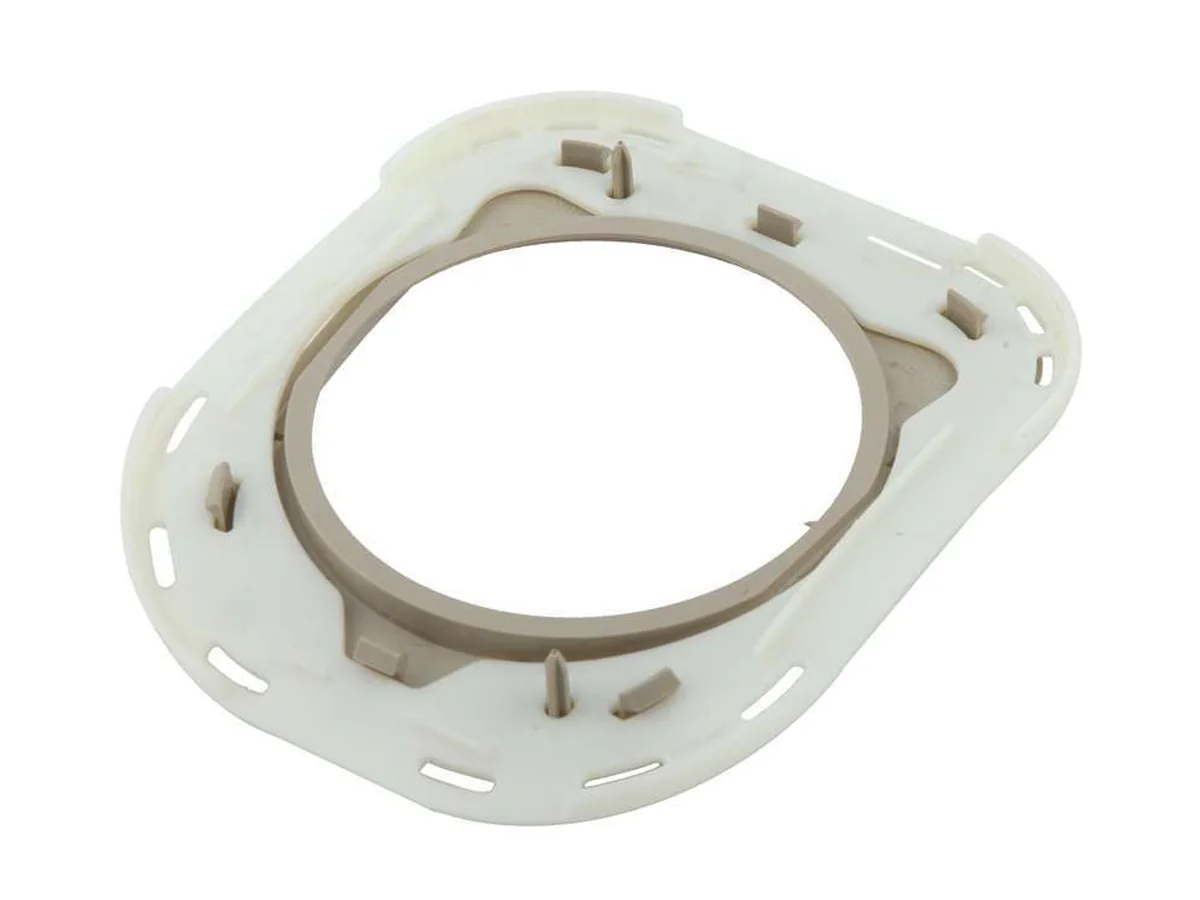
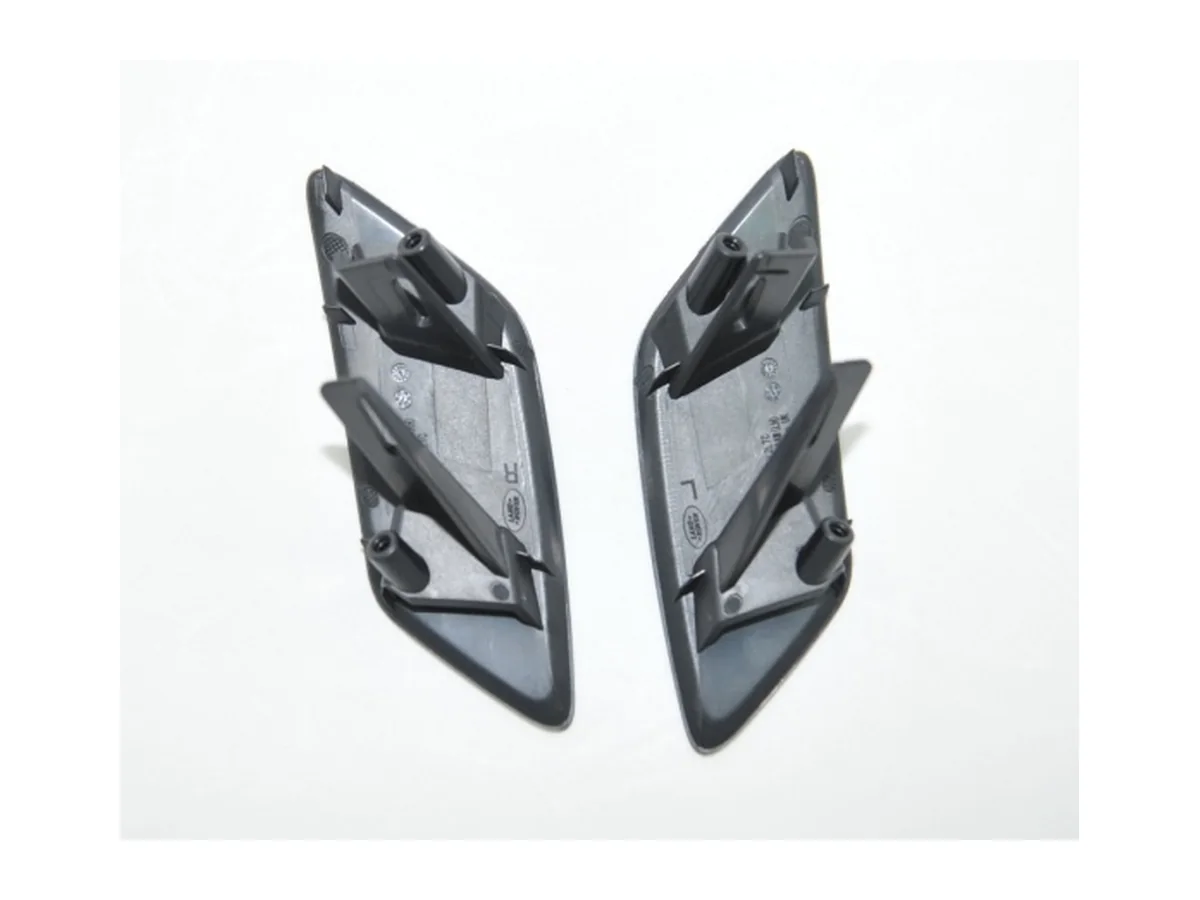
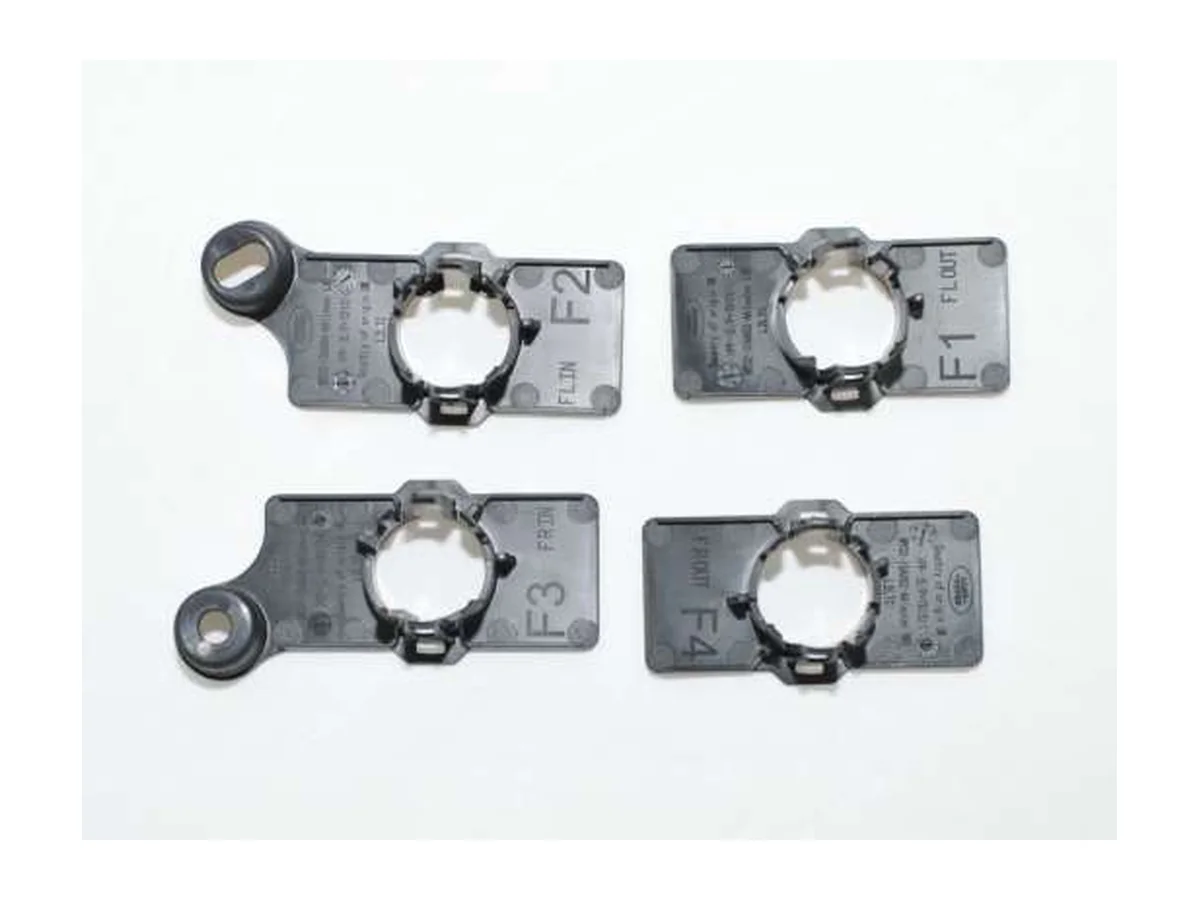
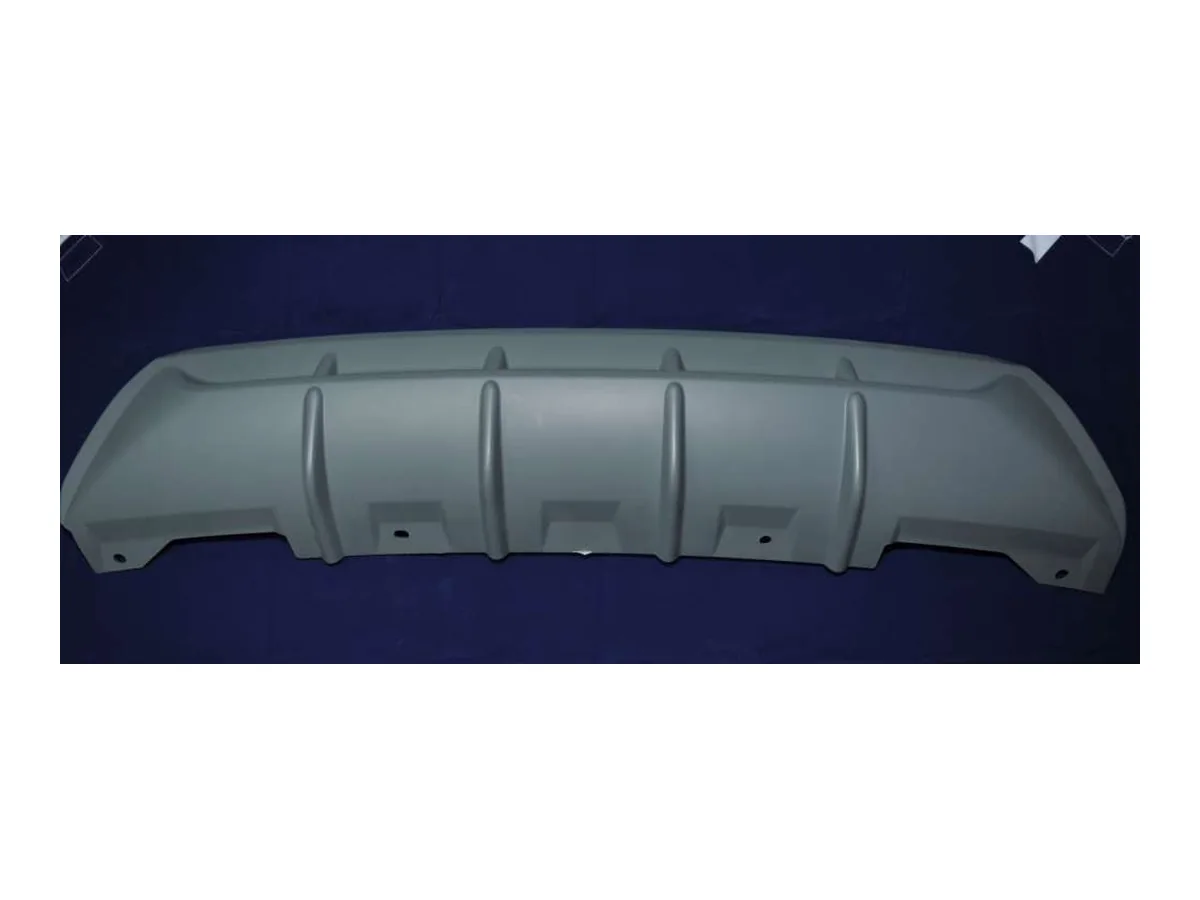
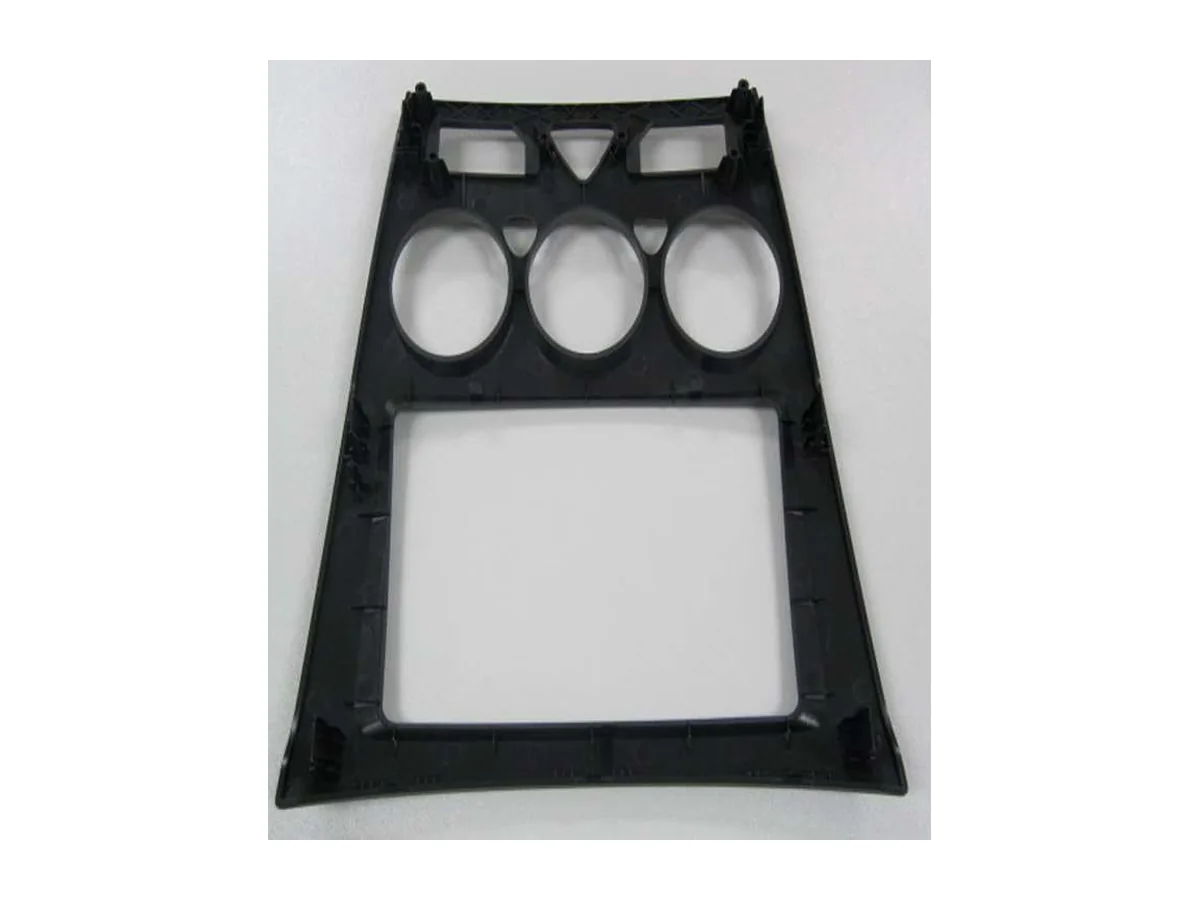
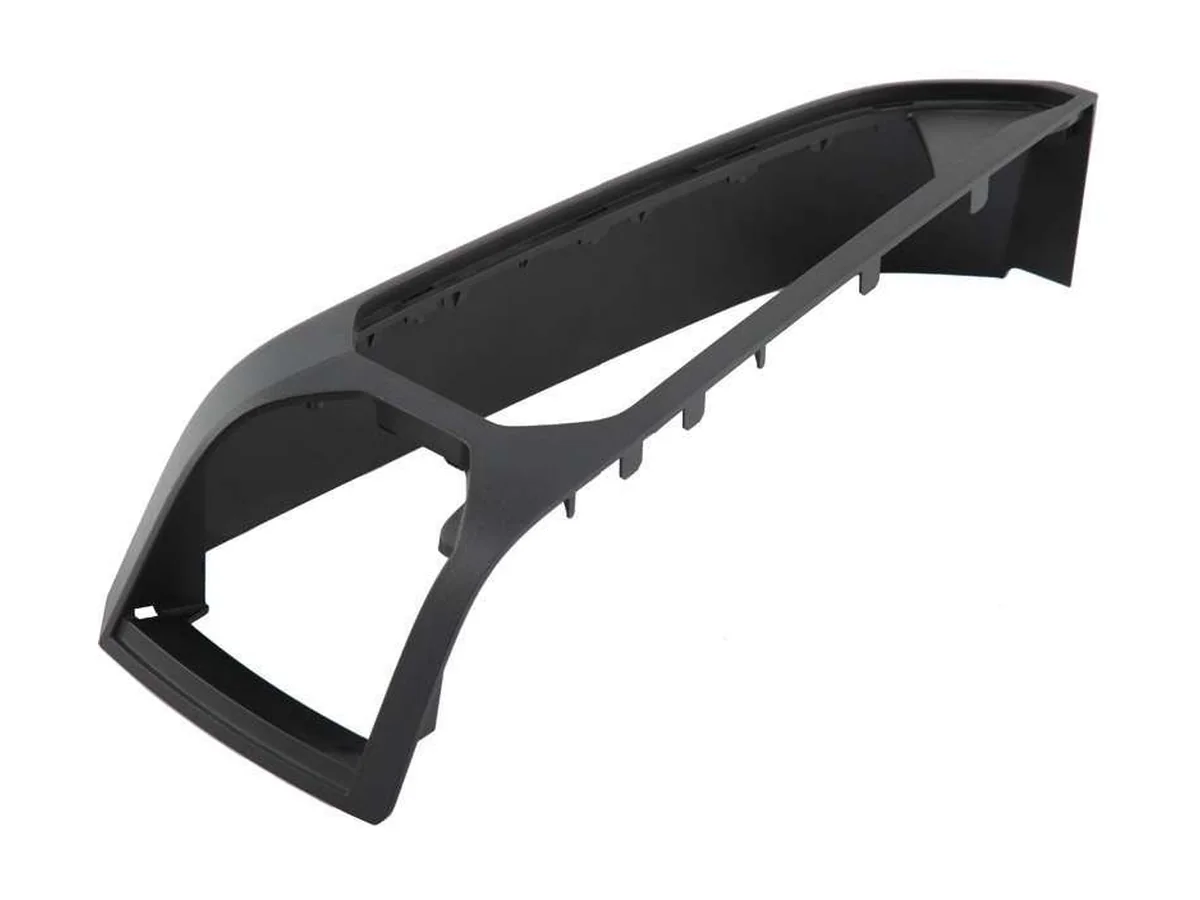
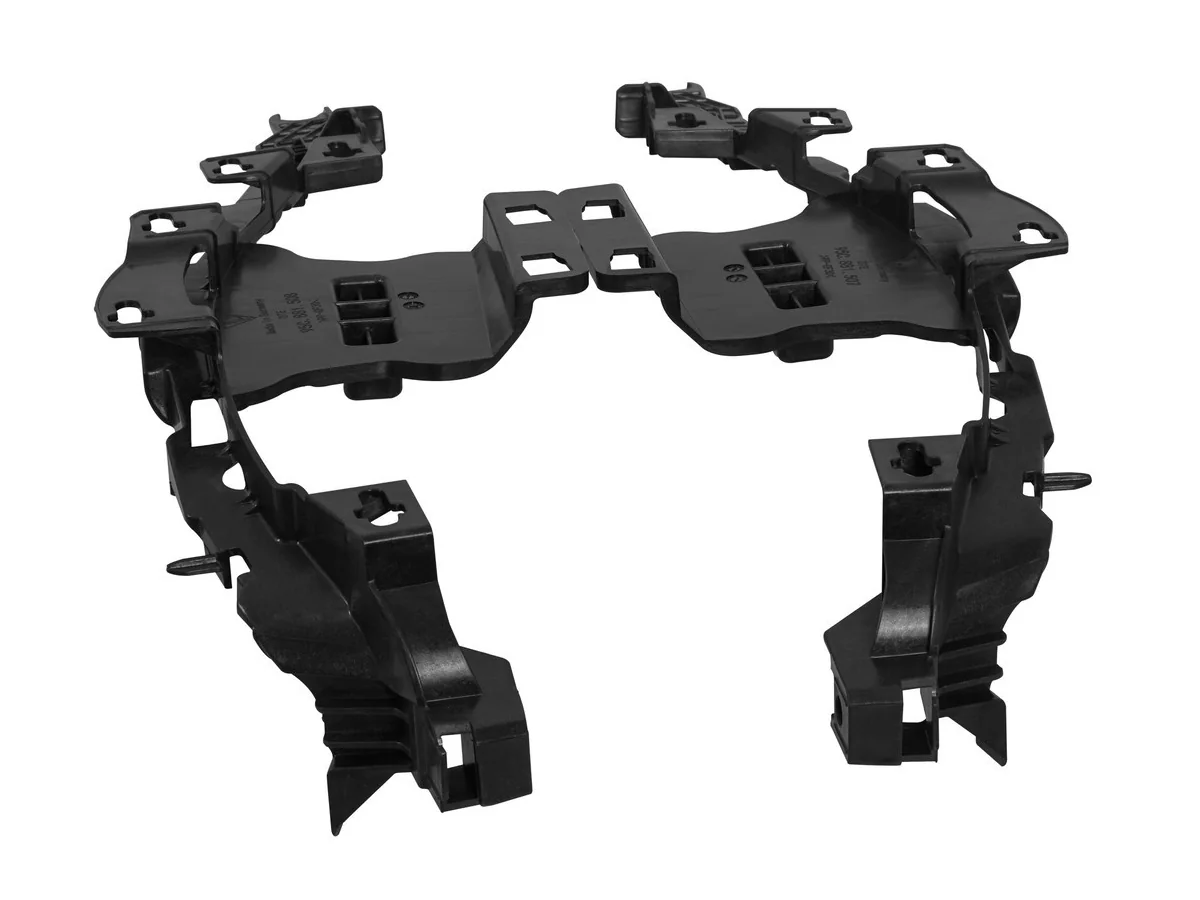
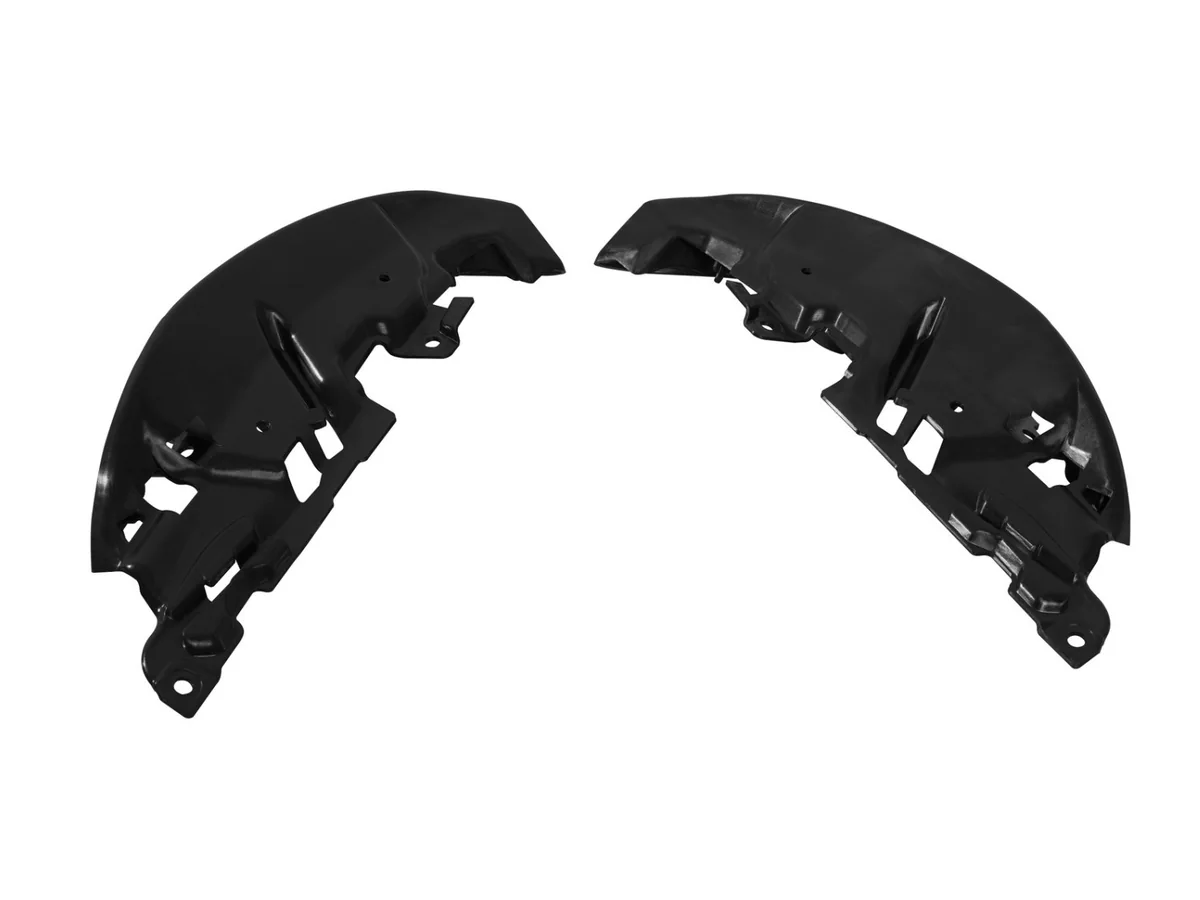
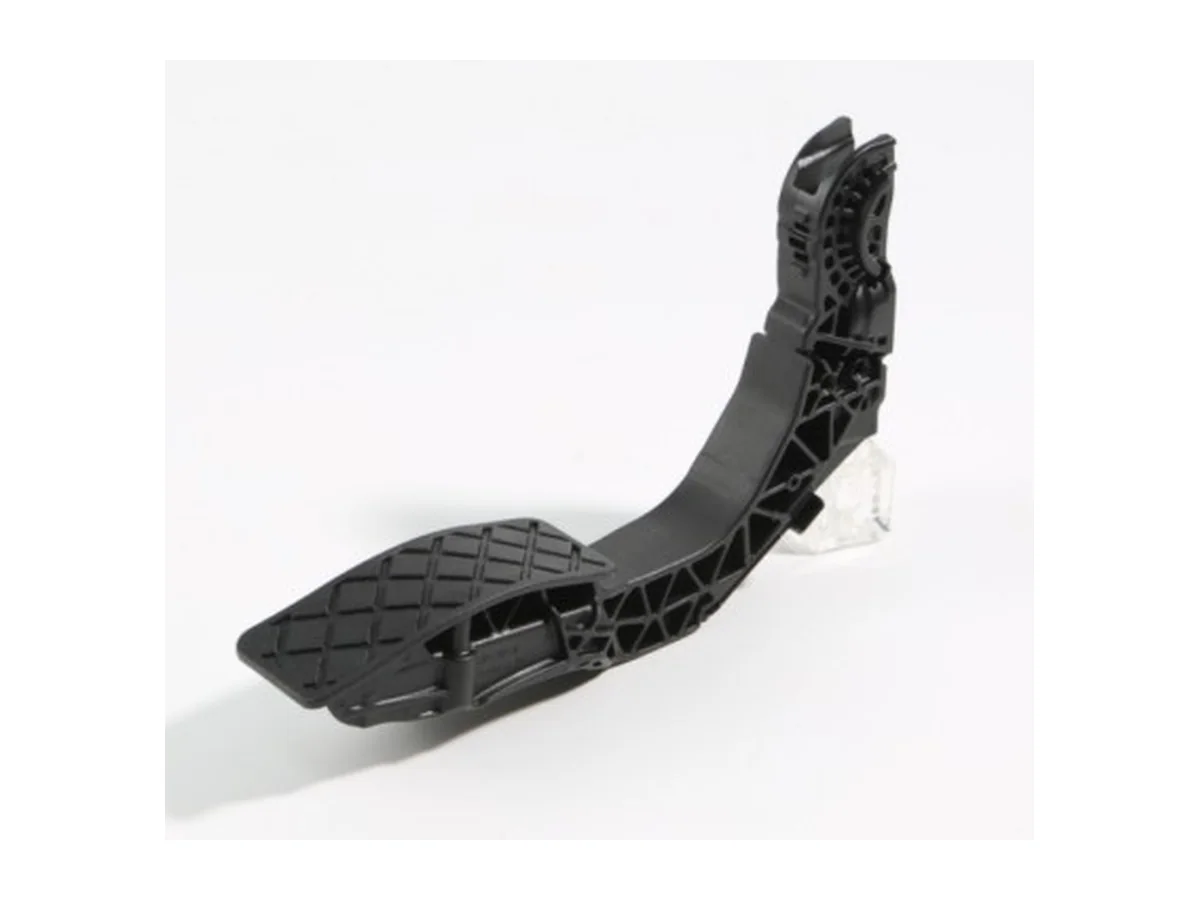
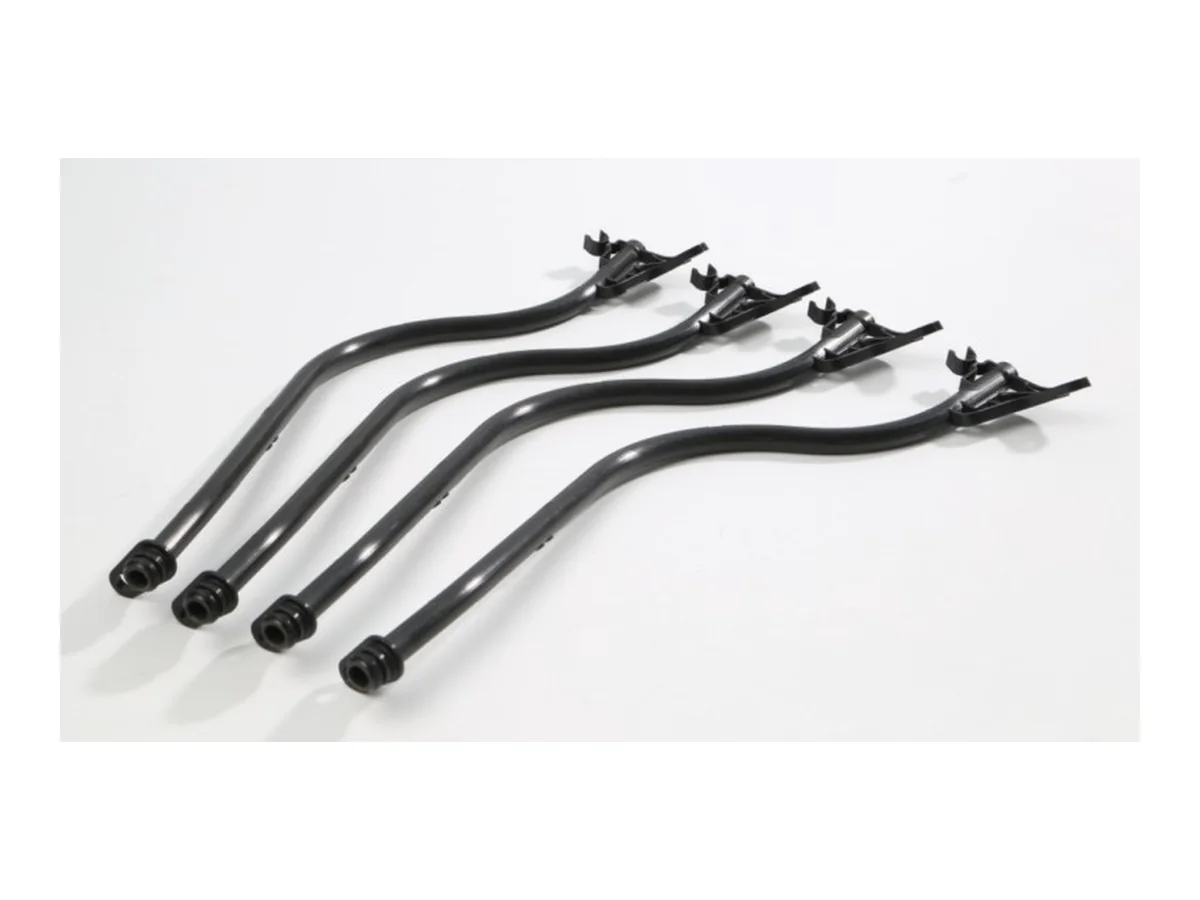
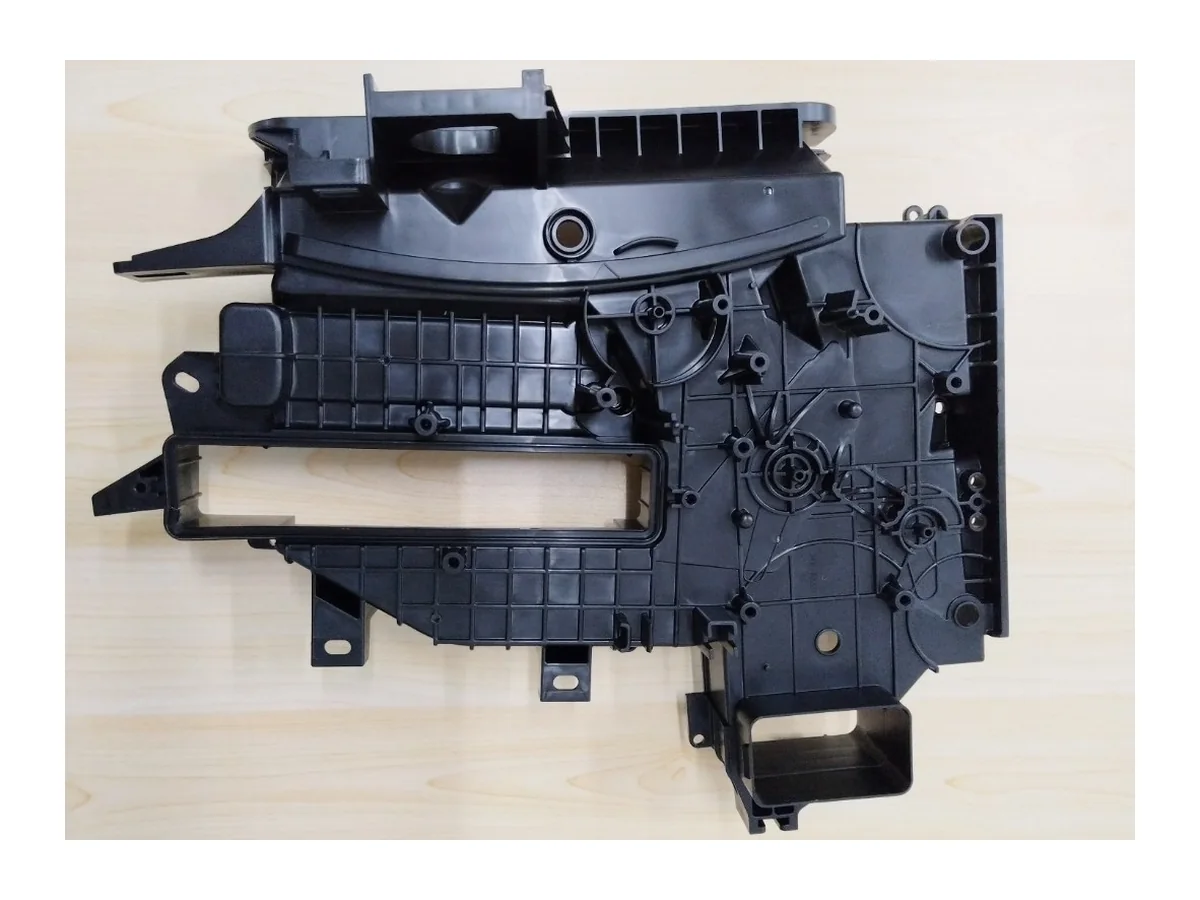
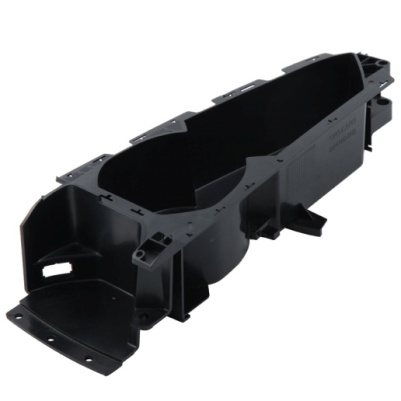
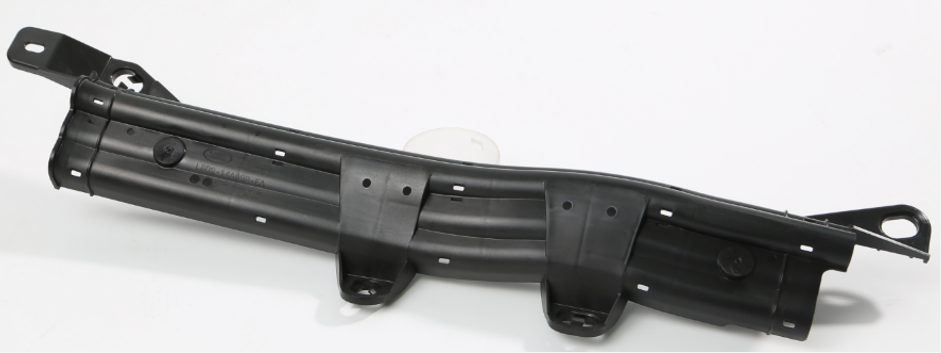
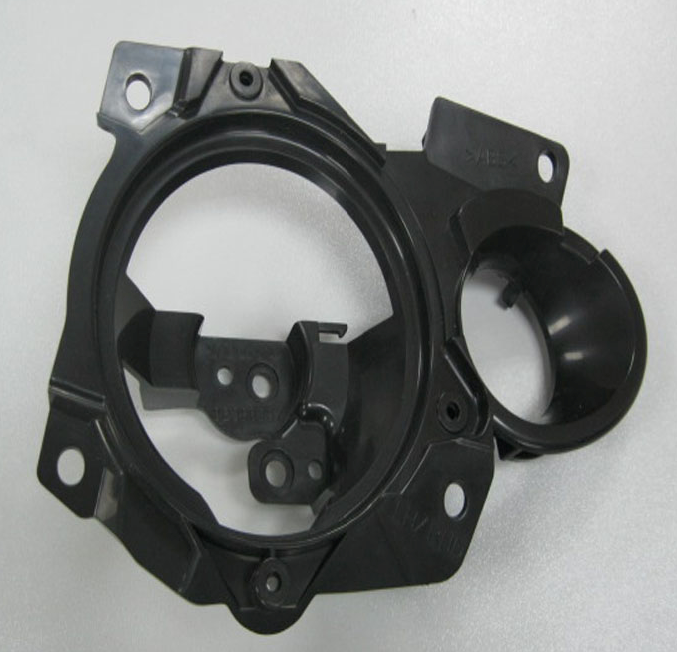
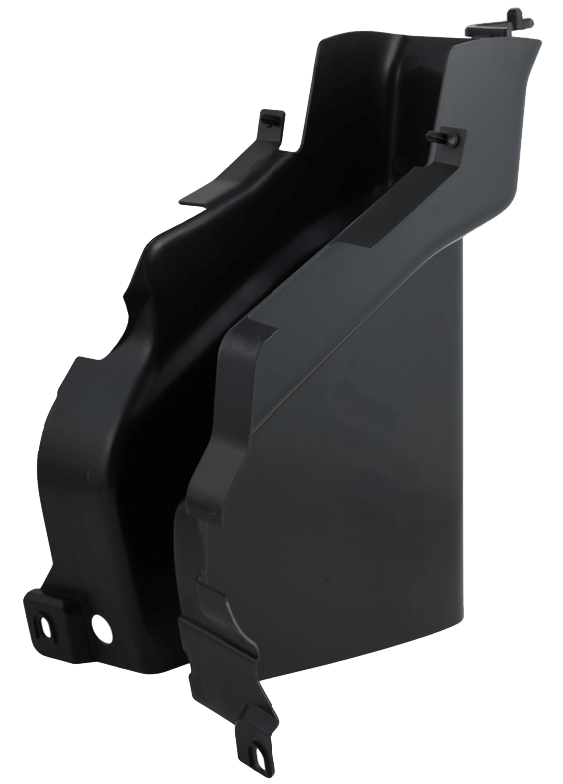
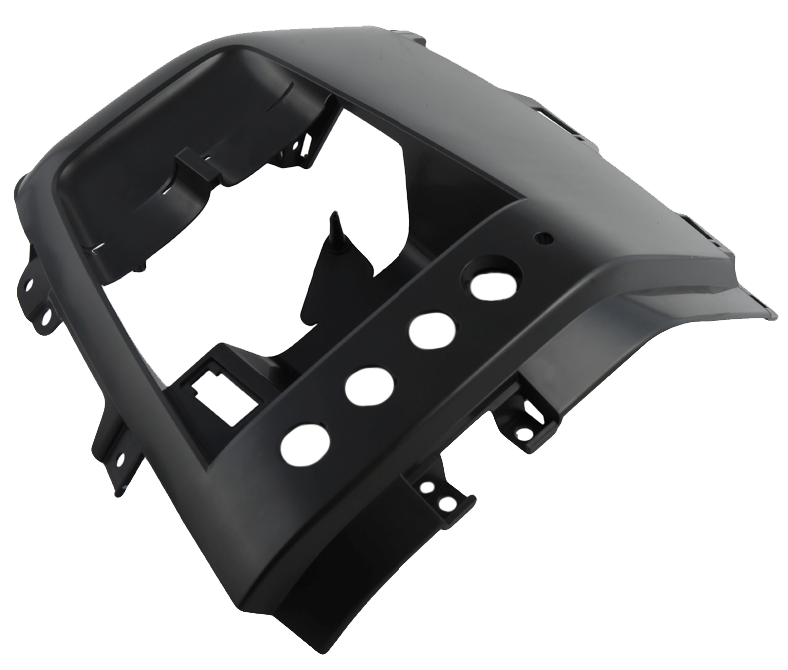
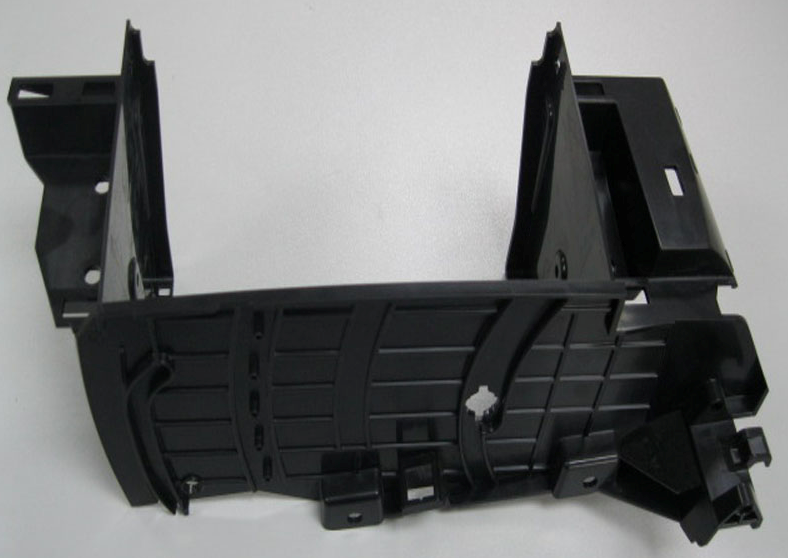
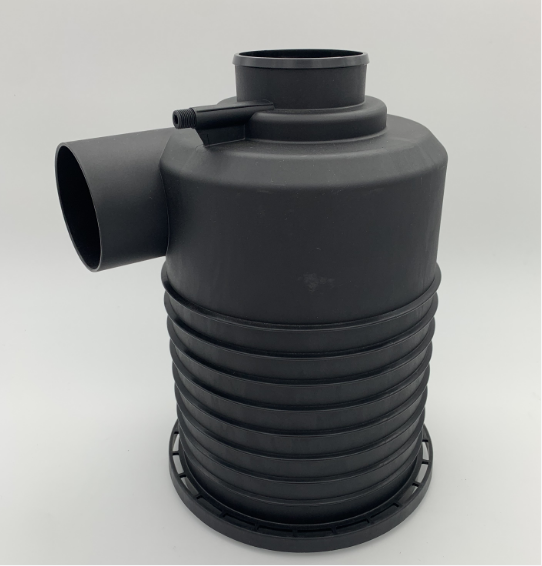
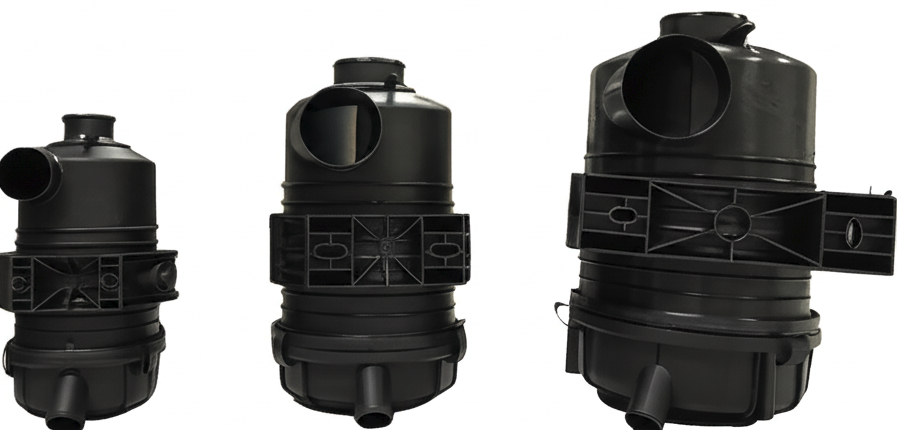
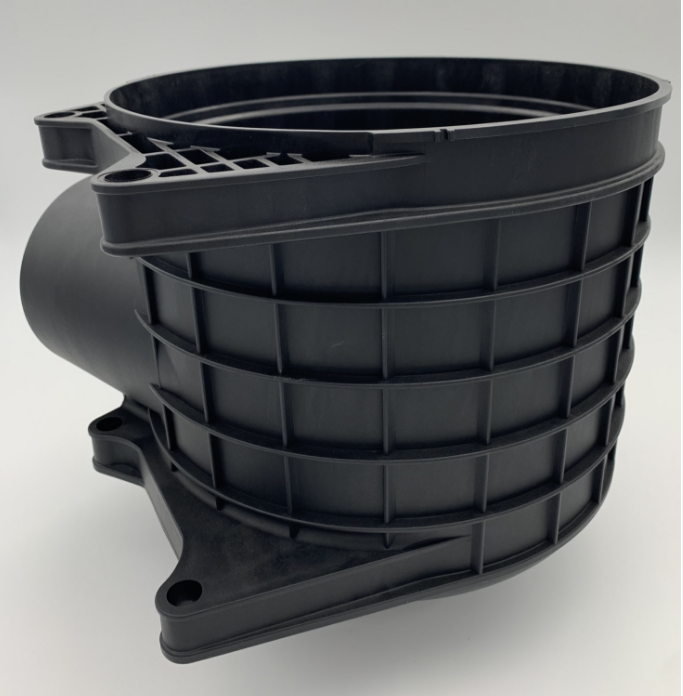
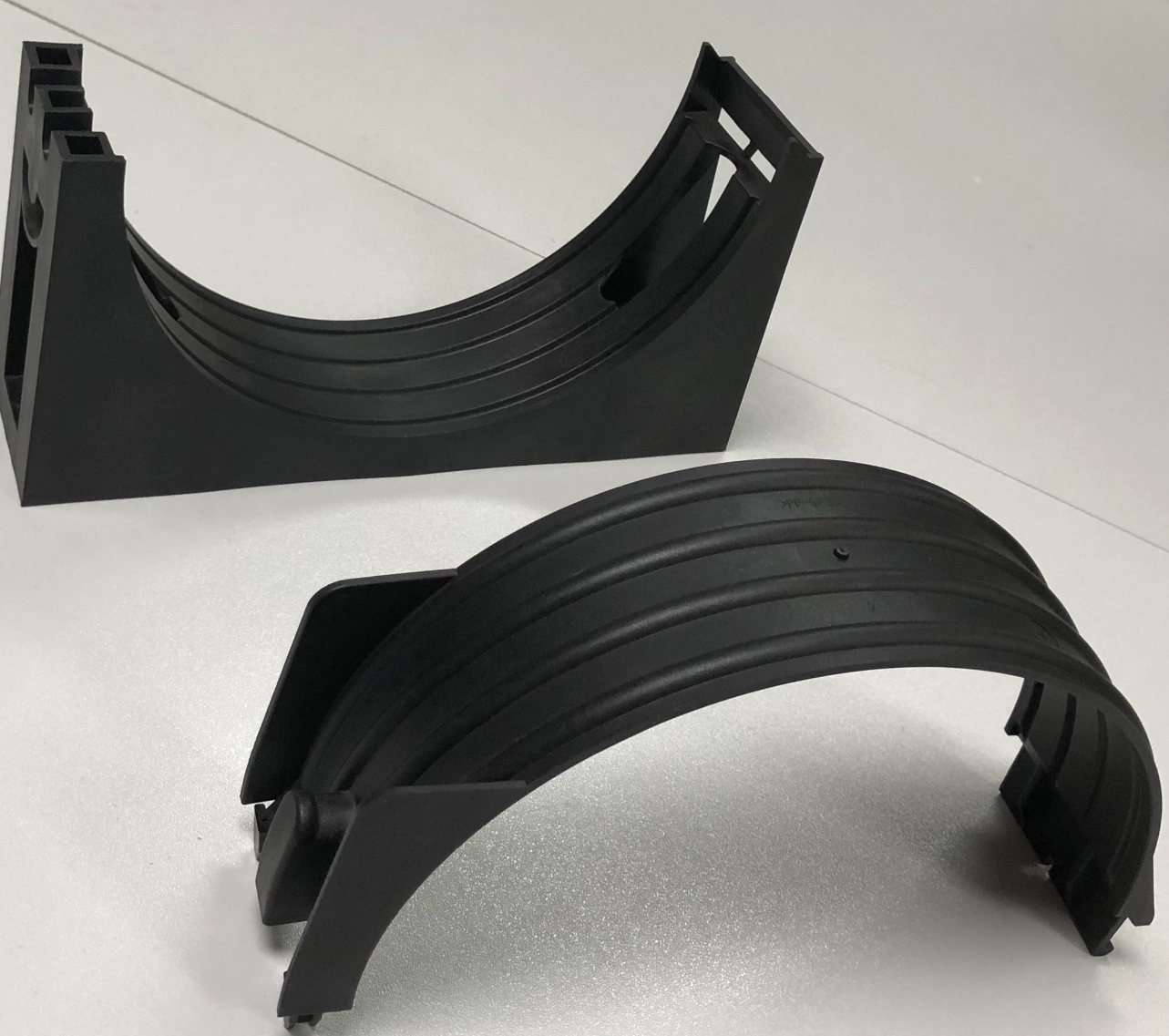
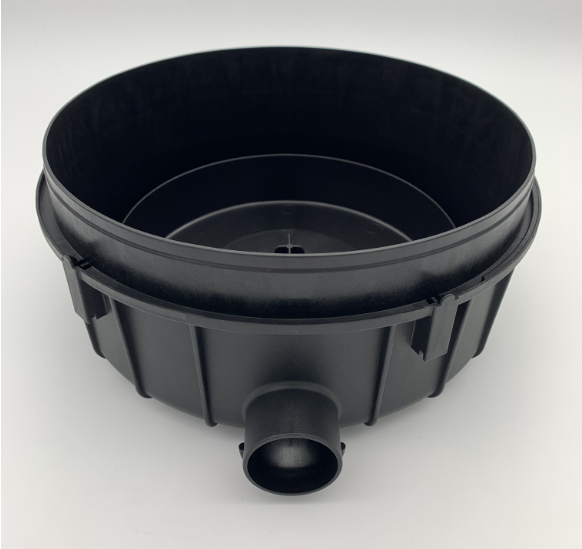
Typical inquiries include connector housings, clips, brackets, wiring-harness guides, interior and exterior trim parts, seating components, lighting housings and plastic parts for thermal or driveline systems. Each project is reviewed against the supplied drawing and application requirements.

Mold priorities

Key topics include tolerance and interface review, resin shrinkage, warpage, parting and shut-off strategy, gates and weld lines, sliders or lifters, cooling, ejection, inserts and visible surfaces. Customer-defined inspection, sample and documentation requirements should be agreed before final tool design.

Automotive engineering case studies

Two real tooling programs, from redesign intent to mold construction

Approved project materials show how part function and release strategy are translated into tooling decisions. Customer and program identifiers have been removed from the public material.

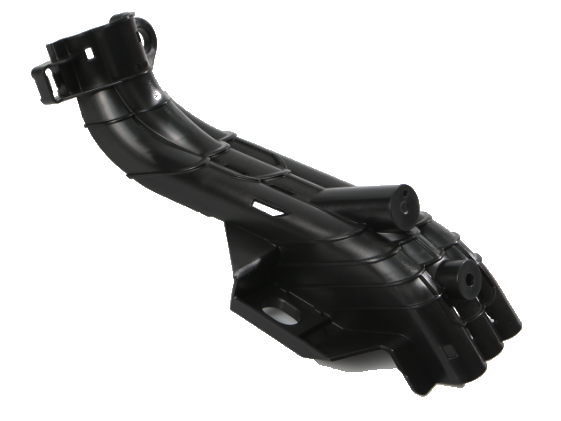
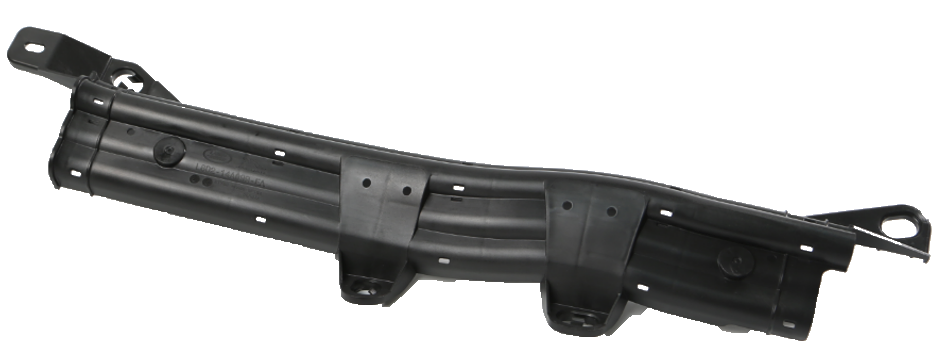
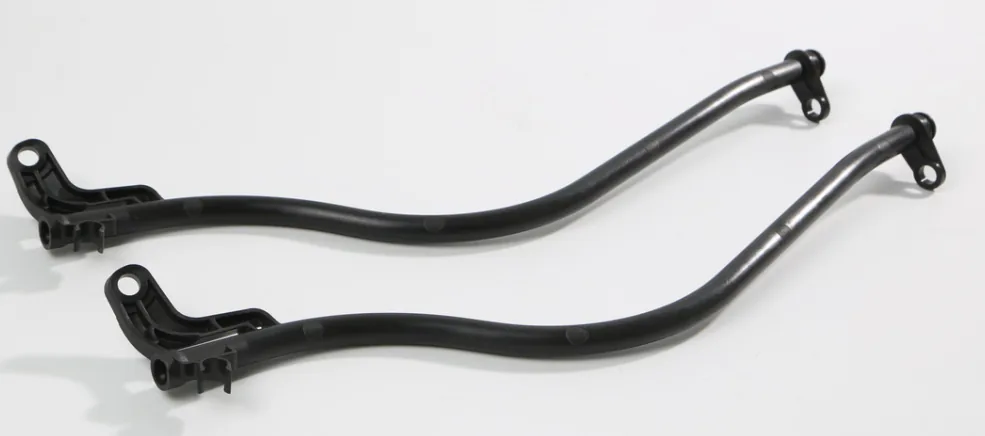
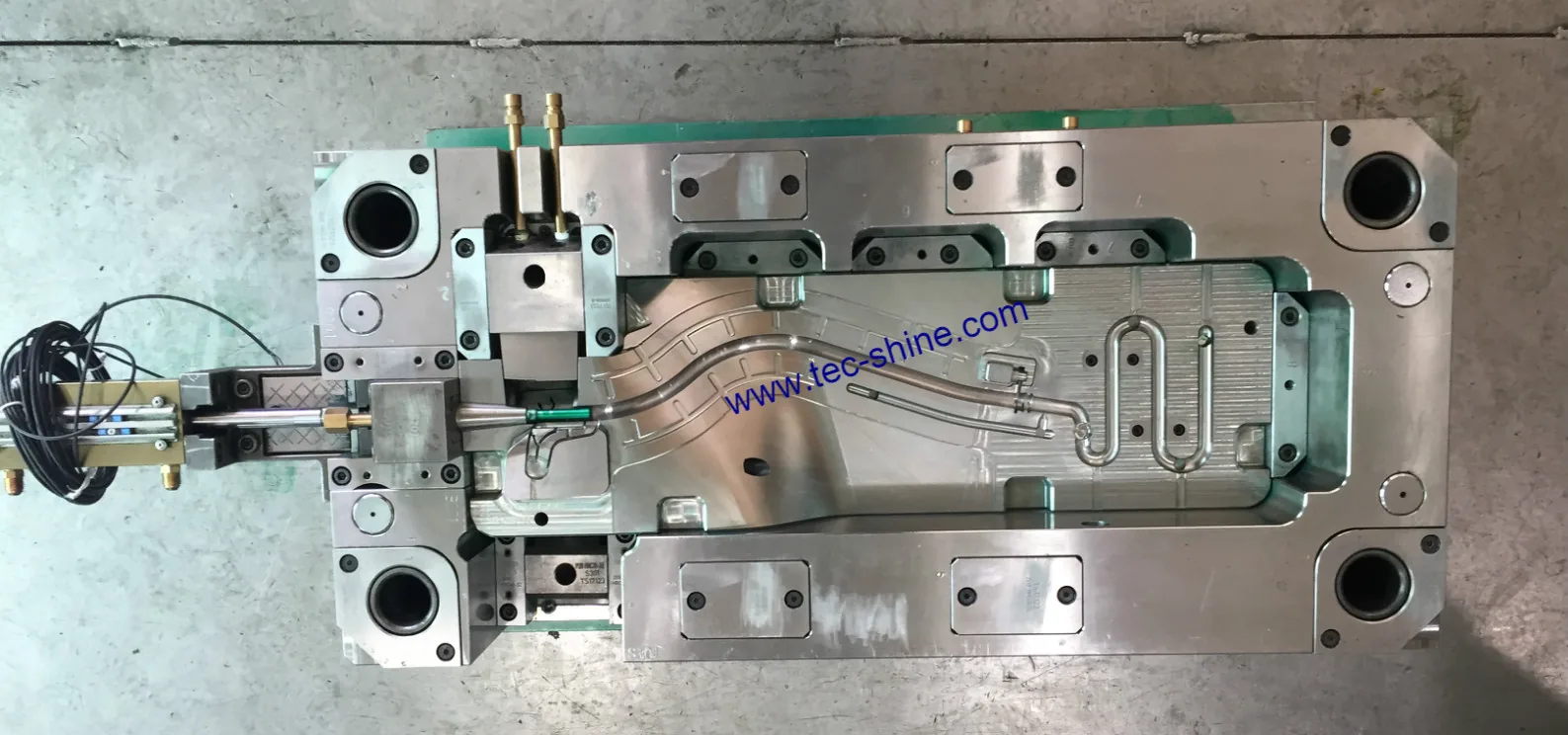
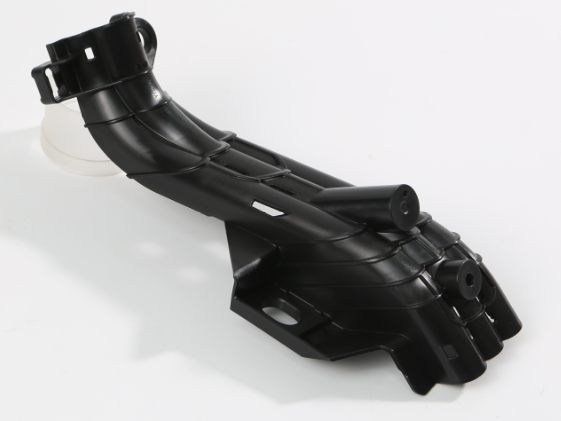
Former metal automotive guide tube selected for redesign as a molded plastic part
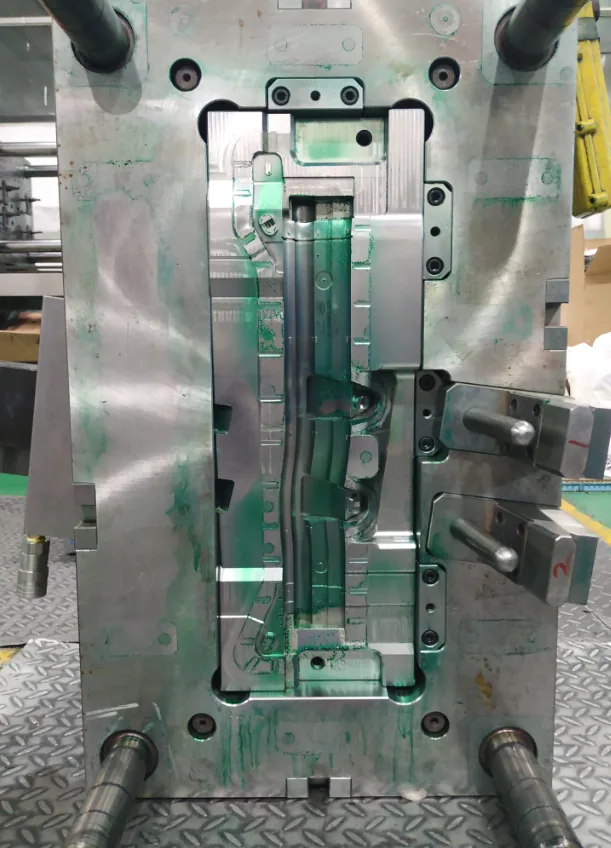
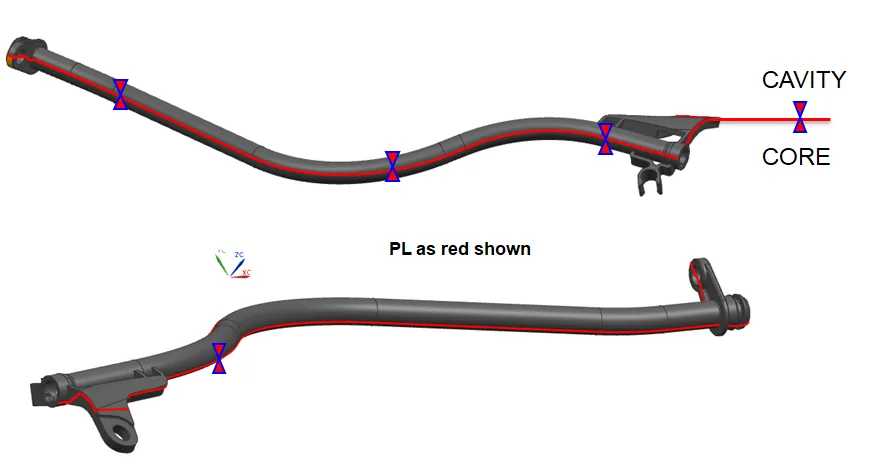
Projectile path and parting-line study for the hollow automotive guide tube Cavity-side tooling for the curved automotive guide tube

Case study 01 · Metal-to-plastic redesign

Automotive guide tube with projectile-assisted nitrogen molding

A former metal guide tube was redesigned as a molded plastic hollow component. The project objective was to reduce part cost while retaining the long, curved routing geometry.

Process
Projectile-assisted nitrogen injection molding
Tool strategy
4 sliders and 1 lifter
Release
Parting line follows the tube profile
  • Nitrogen advances a projectile through the molten polymer to form a continuous hollow section.
  • The slide and lifter sequence manages the curved path and local undercuts.
  • Cavity and core construction integrate the gas path with coordinated side-action interfaces.
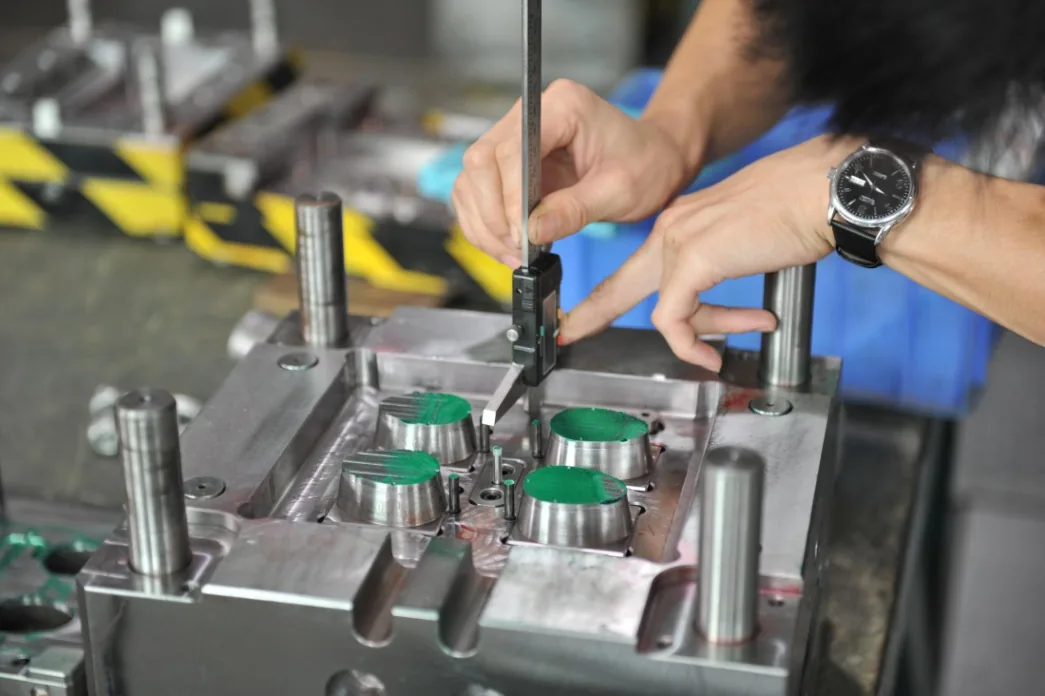
Tec-Shine technician checking an automotive injection mold during tooling setup
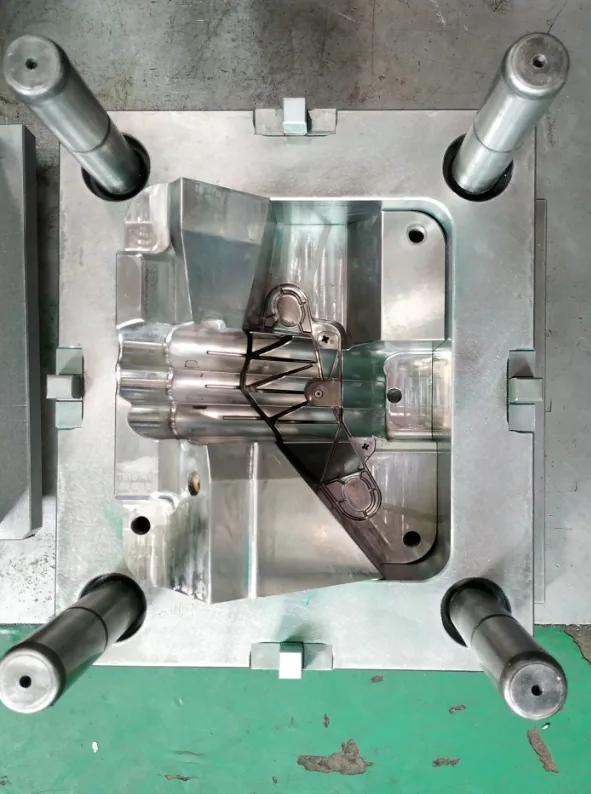
Long-form automotive cavity with multiple side-action interfaces Automotive mold with coordinated multi-core side actions

Case study 02 · Multi-mold tooling program

Automotive PHEV tooling with coordinated side actions

A multi-tool automotive program required different cavity and core layouts for long-form and intersecting features, with accessible setup and controlled release.

Program
Multiple automotive injection molds
Construction
Long-form and compact cavity/core layouts
Release
Multiple coordinated side actions
  • Paired cavity and core views show the release strategy before mold assembly.
  • Localized inserts support compact geometry and controlled maintenance access.
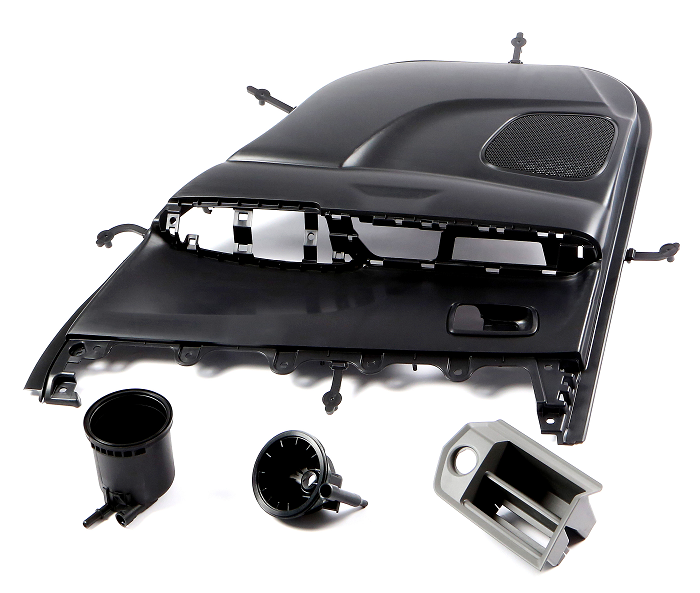
  • Side actions form intersecting features while keeping the core system accessible for setup.
Ready to review a mold project?

Share CAD files, material, volume and timing. Tec-Shine will review manufacturability and quotation direction.

Start Free DFM Review